

Psoriasis is a long-term skin condition that affects millions of people around the world. It causes the skin to produce new cells much faster than normal, leading to thick, dry, itchy, and scaly patches. Although psoriasis cannot be permanently cured, there are many psoriasis treatment options that help reduce symptoms, improve skin health, and allow people to live comfortable lives.
Many people feel frustrated after being diagnosed with psoriasis because they believe there is no hope. The good news is that modern medicine and healthy lifestyle changes have made psoriasis much easier to manage than ever before. Whether your symptoms are mild or severe, there is usually a treatment plan that can help.
In this article, you will learn about the different psoriasis treatment options, how they work, their benefits, and simple ways to manage psoriasis every day.
What Is Psoriasis?
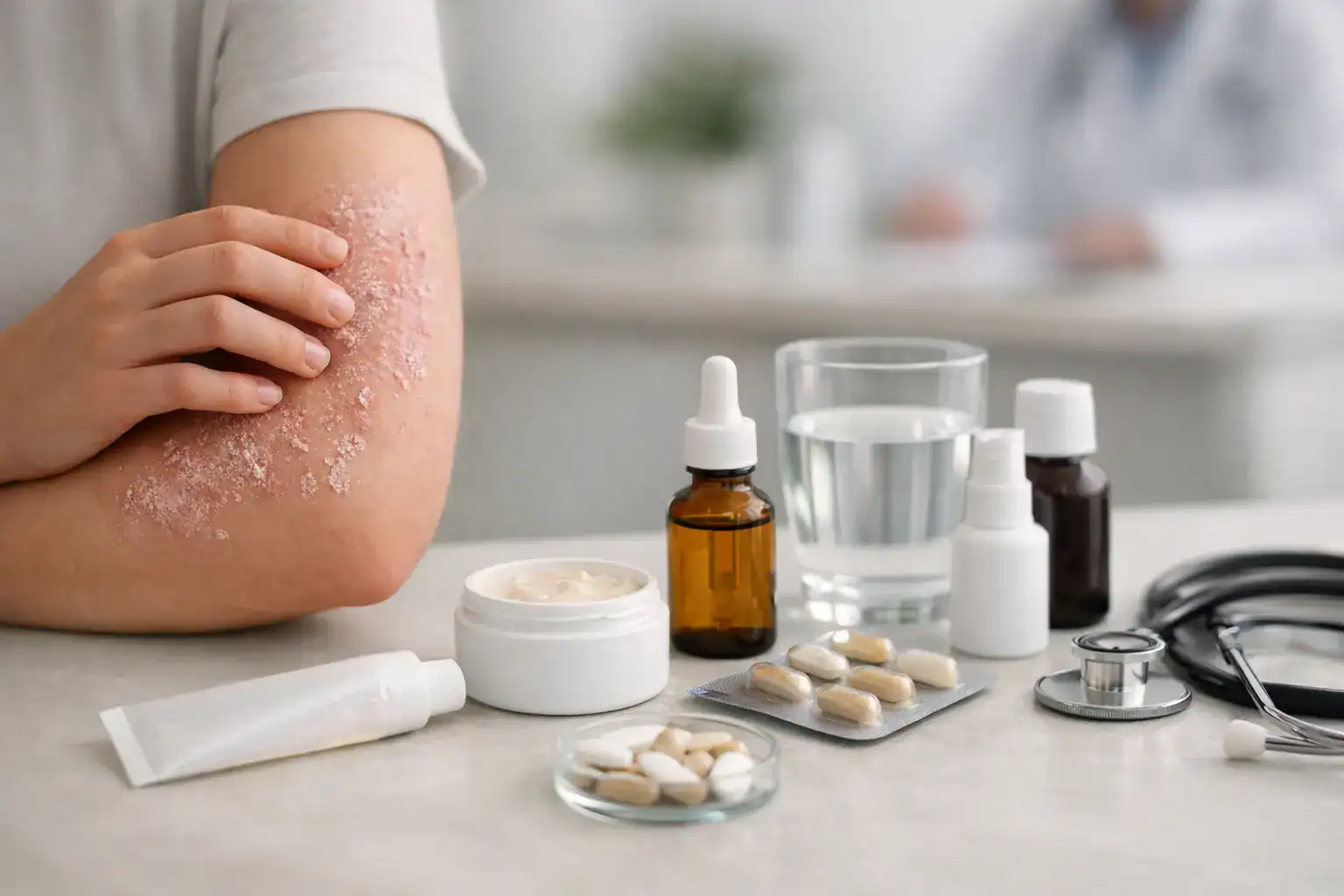
Psoriasis is an autoimmune disease. This means the body’s immune system mistakenly attacks healthy skin cells. As a result, skin cells grow much faster than normal. Instead of taking about a month to replace old skin cells, the process may happen in only a few days.
Because the old cells do not have enough time to fall away, they build up on the surface of the skin, creating thick, red, and flaky patches.
Psoriasis is not contagious. You cannot catch it from another person by touching, sharing clothes, or using the same towels.
Common Symptoms of Psoriasis
The symptoms can be different from one person to another. Some people only have a few small patches, while others experience large areas of affected skin.
Common symptoms include:
- Red patches covered with silver or white scales
- Dry and cracked skin
- Itching and burning sensation
- Painful skin
- Thick or damaged nails
- Joint pain in some people
- Skin that easily bleeds after scratching
Symptoms often improve for a while and then return. These periods are known as flare-ups.
Why Does Psoriasis Happen?
Doctors do not know the exact cause, but several factors increase the risk.
These include:
- Family history
- Immune system problems
- Stress
- Skin injuries
- Smoking
- Heavy alcohol use
- Certain medications
- Cold weather
- Infections
Understanding your personal triggers is one of the best ways to reduce future flare-ups.
Different Psoriasis Treatment Options
There are many treatments available today. The right treatment depends on your age, health, type of psoriasis, and how severe your symptoms are.
Let’s explore the most effective psoriasis treatment options.
1. Topical Treatments
Topical treatments are creams, ointments, lotions, or gels applied directly to the skin. They are usually recommended for mild to moderate psoriasis.
Common topical treatments include:
Corticosteroid Creams
These reduce inflammation, redness, and itching.
Benefits include:
- Fast relief
- Easy to apply
- Good for small affected areas
Doctors usually recommend using them for limited periods because long-term use may thin the skin.
Moisturizers
Keeping the skin hydrated is one of the simplest ways to reduce dryness and irritation.
A good moisturizer helps:
- Reduce itching
- Prevent cracking
- Improve skin comfort
- Protect the skin barrier
Choose fragrance-free products for the best results.
Vitamin D Creams
These creams slow down the rapid growth of skin cells and reduce scaling.
They are often combined with corticosteroid creams for better results.
Salicylic Acid
Salicylic acid softens and removes thick scales, making other medications work more effectively.
2. Light Therapy (Phototherapy)
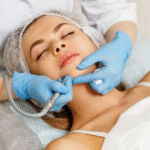
Light therapy uses controlled ultraviolet (UV) light to slow skin cell production.
It is commonly recommended when creams alone are not enough.
Types include:
- UVB therapy
- Narrowband UVB therapy
- PUVA therapy
Treatment is usually done several times each week under medical supervision.
Benefits include:
- Less scaling
- Reduced inflammation
- Longer periods without flare-ups
3. Oral Medications
For moderate or severe psoriasis, doctors may prescribe tablets.
Some common medicines include:
Methotrexate
This medicine slows the immune system and reduces inflammation.
Cyclosporine
It suppresses immune activity and helps severe psoriasis improve.
Acitretin
This medicine is a vitamin A derivative that helps control skin cell growth.
These medicines require regular medical check-ups because they may have side effects.
4. Biologic Medicines
Biologics are one of the newest psoriasis treatment options.
They target specific parts of the immune system rather than affecting the whole body.
Biologic medicines are usually given through injections or intravenous infusions.
Benefits include:
- Excellent results for severe psoriasis
- Better control of flare-ups
- Improved quality of life
Doctors usually prescribe biologics for people whose psoriasis has not improved with other treatments.
5. Lifestyle Changes
Medical treatment works even better when combined with healthy daily habits.
Simple lifestyle improvements include:
Eat a Healthy Diet
A balanced diet supports your immune system and overall health.
Try eating:
- Fruits
- Vegetables
- Whole grains
- Fish rich in omega-3
- Lean proteins
Limit processed foods, sugary drinks, and excessive alcohol.
Stay Hydrated
Drinking enough water keeps the skin hydrated from the inside.
Manage Stress
Stress is one of the biggest psoriasis triggers.
Helpful stress management methods include:
- Meditation
- Yoga
- Deep breathing
- Walking
- Reading
- Listening to relaxing music
Exercise Regularly
Regular exercise helps reduce inflammation and supports a healthy immune system.
Even a 30-minute walk most days can make a difference.
Avoid Smoking
Smoking increases the risk of psoriasis flare-ups and makes treatment less effective.
Quitting smoking benefits both your skin and overall health.
Natural Home Care Tips
Many people combine medical treatment with home care to improve comfort.
Helpful tips include:
- Take warm baths instead of hot baths.
- Use gentle, fragrance-free soap.
- Moisturize immediately after bathing.
- Avoid scratching itchy skin.
- Wear soft cotton clothing.
- Protect your skin from injuries.
- Get moderate sunlight with your doctor’s advice.
These simple habits may reduce irritation and improve skin healing.
Foods That May Help Psoriasis
Although no specific diet cures psoriasis, some foods may help reduce inflammation.
Good choices include:
- Salmon
- Sardines
- Walnuts
- Olive oil
- Blueberries
- Spinach
- Broccoli
- Tomatoes
- Avocados
- Green tea
Eating a healthy diet also supports heart health, which is important because people with psoriasis have a slightly higher risk of cardiovascular disease.
Foods to Limit
Some foods may worsen inflammation in certain people.
These include:
- Fried foods
- Processed meat
- Sugary snacks
- Fast food
- Soft drinks
- Excess alcohol
Keeping a food diary can help identify personal triggers.
Can Psoriasis Be Cured?
Currently, there is no permanent cure for psoriasis.
However, modern psoriasis treatment options can successfully control symptoms for months or even years.
Many people experience long periods with little or no visible psoriasis when they follow their treatment plan consistently.
When Should You See a Doctor?
Seek medical advice if:
- Your skin symptoms become worse.
- Home treatments are not helping.
- Large areas of your body are affected.
- You develop painful or swollen joints.
- Your psoriasis interferes with daily life.
- Signs of infection appear.
Early treatment usually leads to better results.
Tips for Living Well with Psoriasis
Living with psoriasis can be challenging, but many people successfully manage the condition.
Helpful tips include:
- Follow your treatment exactly as prescribed.
- Keep your skin moisturized every day.
- Avoid known triggers.
- Protect your mental health.
- Sleep 7–9 hours each night.
- Stay physically active.
- Attend regular medical check-ups.
- Ask for support from family or support groups if needed.
Small daily habits can make a big difference over time.
Conclusion
Psoriasis is a lifelong condition, but it does not have to control your life. Thanks to advances in medicine, there are many effective psoriasis treatment options available today. From topical creams and light therapy to oral medications, biologic treatments, and healthy lifestyle changes, most people can significantly reduce symptoms and enjoy healthier skin.
The key to successful psoriasis management is working closely with a healthcare provider, following your treatment plan, and taking good care of your skin every day. With patience and consistency, many people experience fewer flare-ups, improved confidence, and a better quality of life.
Frequently Asked Questions (FAQs)
1. What is the best psoriasis treatment option?
The best treatment depends on the severity of your psoriasis. Mild cases often respond well to topical creams and moisturizers, while moderate to severe cases may require phototherapy, oral medications, or biologic drugs prescribed by a doctor.
2. Can psoriasis go away permanently?
No. Psoriasis is a chronic autoimmune condition with no permanent cure at present. However, proper treatment can keep symptoms under control and reduce flare-ups for long periods.
3. Does diet affect psoriasis?
Yes. While diet cannot cure psoriasis, eating anti-inflammatory foods such as fruits, vegetables, whole grains, and omega-3-rich fish may help some people manage symptoms. Avoiding processed foods and excessive alcohol may also reduce flare-ups.
4. Is psoriasis contagious?
No. Psoriasis is not contagious. It cannot spread through touching, hugging, sharing personal items, or being close to someone who has the condition.
5. How can I prevent psoriasis flare-ups?
You can reduce flare-ups by moisturizing your skin daily, managing stress, avoiding smoking, limiting alcohol, eating a healthy diet, getting enough sleep, and following your prescribed treatment plan consistently.