

Introduction
Acne is one of the most common skin problems that affects people of all ages. While many people think acne only happens during the teenage years, adults can also experience breakouts that affect their confidence and daily life. Pimples, blackheads, whiteheads, painful cysts, and acne scars can all make someone feel uncomfortable about their appearance.
- Introduction
- 1. Excess Oil Production
- 2. Hormonal Changes
- 3. Bacteria
- 4. Dead Skin Cells
- 5. Genetics
- 6. Stress
- 7. Certain Cosmetics
- Topical Treatments
- Oral Medications
- Chemical Peels
- Laser and Light Therapy
- Acne Scar Treatments
- Wash Your Face Twice Daily
- Avoid Scrubbing
- Moisturize Daily
- Use Sunscreen
- Remove Makeup Before Sleeping
- Avoid Picking Pimples
- Accurate Diagnosis
- Personalized Treatment
- Faster Improvement
- Scar Prevention
- Long-Term Skin Health
- 1. What does an acne treatment specialist do?
- 2. When should I see an acne treatment specialist?
- 3. Can an acne treatment specialist remove acne scars?
- 4. How long does acne treatment usually take?
- 5. Can acne be prevented completely?
Many people try different face washes, creams, or home remedies, but these methods do not always work. In some cases, using the wrong products can even make acne worse. This is why visiting an acne treatment specialist can make a big difference. A specialist understands different types of acne and creates a treatment plan that matches your skin type and condition.
In this article, you will learn who an acne treatment specialist is, what causes acne, available treatment options, when to seek professional help, and how to keep your skin healthy in the long term.
Who Is an Acne Treatment Specialist?
An acne treatment specialist is a skincare professional who diagnoses and treats acne using medical knowledge and professional skincare techniques. The specialist carefully examines your skin, identifies the type of acne you have, and recommends the most suitable treatment.
Instead of giving the same treatment to every patient, they create a personalized skincare plan based on factors such as:
- Your age
- Skin type
- Acne severity
- Medical history
- Lifestyle habits
- Hormonal changes
This personalized approach often leads to better and faster results than trying random skincare products.
What Causes Acne?
Acne develops when hair follicles become blocked with oil, dead skin cells, and bacteria. Several factors can contribute to acne.
1. Excess Oil Production
Your skin naturally produces oil called sebum. Too much sebum can clog pores and create an environment where acne develops.
2. Hormonal Changes
Hormones play a major role in acne. Teenagers, pregnant women, and adults experiencing hormonal changes may notice more breakouts.
3. Bacteria
A type of bacteria naturally lives on the skin. When pores become blocked, bacteria multiply and cause redness, swelling, and pimples.
4. Dead Skin Cells
If dead skin cells are not removed properly, they can mix with oil and block pores.
5. Genetics
If your parents had acne, you may have a higher chance of developing it as well.
6. Stress
Stress does not directly cause acne, but it can make existing acne worse by affecting hormone levels.
7. Certain Cosmetics
Heavy or oily makeup products can clog pores if they are not suitable for your skin type.
Different Types of Acne
Not every breakout is the same. An acne treatment specialist identifies the exact type before recommending treatment.
Whiteheads
Small white bumps caused by clogged pores that remain closed.
Blackheads
Open pores filled with oil and dead skin cells. The dark color comes from oxidation, not dirt.
Papules
Small, red, inflamed bumps that may feel sore.
Pustules
These are pimples filled with pus and often have a white or yellow center.
Nodules
Large, painful lumps that develop deep beneath the skin.
Cystic Acne
This is one of the most severe forms of acne. It often causes pain and can leave permanent scars if not treated properly.
Why Visit an Acne Treatment Specialist?
Many people spend months or even years trying products that promise instant results. Unfortunately, not every product works for every skin type.
An acne treatment specialist provides professional care by:
- Diagnosing the exact type of acne
- Preventing permanent acne scars
- Recommending safe medications
- Monitoring treatment progress
- Adjusting treatments when needed
- Teaching proper skincare habits
Professional guidance often saves both time and money in the long run.
Common Acne Treatments
There is no single treatment that works for everyone. Specialists choose treatments based on individual skin needs.
Topical Treatments
These treatments are applied directly to the skin and may include creams, gels, or lotions.
They help by:
- Reducing bacteria
- Unclogging pores
- Lowering inflammation
- Preventing new pimples
Consistency is important because improvements may take several weeks.
Oral Medications
Moderate or severe acne sometimes requires oral medication.
These medicines may:
- Reduce inflammation
- Control bacteria
- Balance hormones
- Decrease oil production
A specialist carefully monitors patients using oral medication to ensure safety and effectiveness.
Chemical Peels
Chemical peels gently remove damaged outer skin layers.
Benefits include:
- Smoother skin
- Fewer clogged pores
- Reduced acne marks
- Improved skin texture
Several sessions may be recommended for the best results.
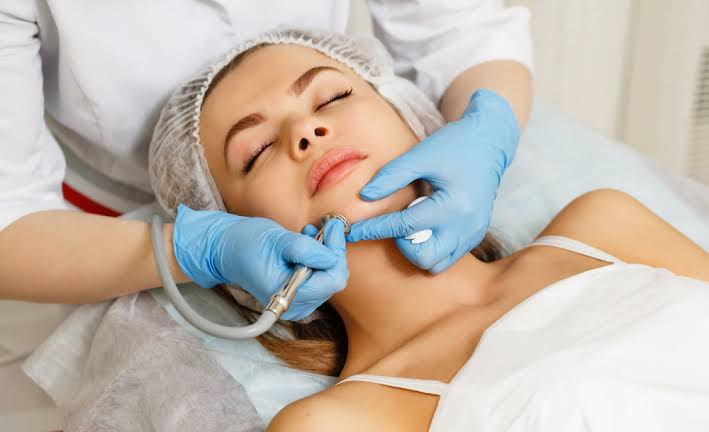
Laser and Light Therapy
Modern technology offers treatments that target acne-causing bacteria and reduce inflammation.
Laser treatments may also improve acne scars and encourage healthier skin.
Acne Scar Treatments
Even after acne disappears, scars may remain.
Treatment options include:
- Microneedling
- Laser resurfacing
- Chemical peels
- Skin resurfacing procedures
These treatments help improve skin texture and reduce visible scars over time.
Daily Skincare Tips
Professional treatment works best when combined with a healthy skincare routine.
Wash Your Face Twice Daily
Use a gentle cleanser that removes dirt and oil without irritating your skin.
Avoid Scrubbing
Scrubbing too hard can damage the skin and increase inflammation.
Moisturize Daily
Even oily skin needs moisture. Choose a lightweight, non-comedogenic moisturizer.
Use Sunscreen
Sun exposure can worsen acne marks and increase skin damage.
Remove Makeup Before Sleeping
Sleeping with makeup on can clog pores and lead to more breakouts.
Avoid Picking Pimples
Popping pimples increases the risk of infection, inflammation, and permanent scars.
Foods That Support Healthy Skin
While food alone does not cause acne, maintaining a balanced diet may help support overall skin health.
Consider eating more:
- Fresh fruits
- Green vegetables
- Whole grains
- Lean protein
- Fish rich in omega-3 fatty acids
- Nuts and seeds
- Plenty of water
Try to limit:
- Sugary drinks
- Highly processed snacks
- Excessive fast food
A healthy diet benefits both your skin and your overall well-being.
When Should You See an Acne Treatment Specialist?
Professional help is recommended if:
- Acne lasts for several months.
- Over-the-counter products do not work.
- Pimples are painful.
- Acne leaves scars.
- Breakouts affect your confidence.
- Acne spreads across your face, chest, or back.
Early treatment often prevents long-term skin damage.
Benefits of Professional Acne Care
Choosing an acne treatment specialist offers several advantages.
Accurate Diagnosis
Every person’s skin is different. Specialists identify the exact cause of acne before recommending treatment.
Personalized Treatment
Your skincare plan is designed specifically for your skin type and acne condition.
Faster Improvement
Professional care often delivers better results than experimenting with multiple products.
Scar Prevention
Treating acne early reduces the chance of permanent scars.
Long-Term Skin Health
Specialists focus not only on clearing current acne but also on preventing future breakouts.
Myths About Acne
Many misconceptions about acne still exist. Let’s clear up a few common myths.
Myth: Acne only affects teenagers.
Fact: Adults of all ages can develop acne.
Myth: Dirty skin causes acne.
Fact: Acne is mainly caused by clogged pores, excess oil, hormones, and bacteria—not poor hygiene.
Myth: Popping pimples helps them heal faster.
Fact: Popping pimples can spread bacteria and increase the risk of scarring.
Myth: Oily skin does not need moisturizer.
Fact: Every skin type needs proper hydration with the right moisturizer.
How Long Does Acne Treatment Take?
Many people expect immediate results, but acne treatment requires patience.
Some patients notice improvement within four to eight weeks, while others may need several months depending on the severity of their condition.
Following the treatment plan consistently gives the best chance of long-lasting results.
Conclusion
Acne can be frustrating, but it is a treatable skin condition. Instead of relying on trial and error, working with an acne treatment specialist provides expert guidance and personalized care. From identifying the cause of your acne to recommending effective treatments, a specialist helps you achieve healthier, clearer skin while reducing the risk of scars.
Healthy skincare habits, patience, and professional support work together to produce lasting improvements. If acne is affecting your confidence or daily life, seeking expert advice is one of the best steps you can take toward clearer skin and better self-esteem.
Frequently Asked Questions (FAQs)
1. What does an acne treatment specialist do?
An acne treatment specialist examines your skin, identifies the type and cause of acne, and creates a personalized treatment plan that may include skincare products, medications, or advanced procedures.
2. When should I see an acne treatment specialist?
You should consult a specialist if your acne is severe, painful, leaves scars, or does not improve after using over-the-counter treatments for several weeks.
3. Can an acne treatment specialist remove acne scars?
Yes. Specialists offer treatments such as chemical peels, microneedling, laser therapy, and skin resurfacing procedures to reduce the appearance of acne scars.
4. How long does acne treatment usually take?
Results vary depending on the severity of the acne. Many people notice improvement within one to two months, while more severe cases may require several months of consistent treatment.
5. Can acne be prevented completely?
Although acne cannot always be prevented, maintaining a healthy skincare routine, using suitable products, eating a balanced diet, managing stress, and following your specialist’s advice can greatly reduce future breakouts.