


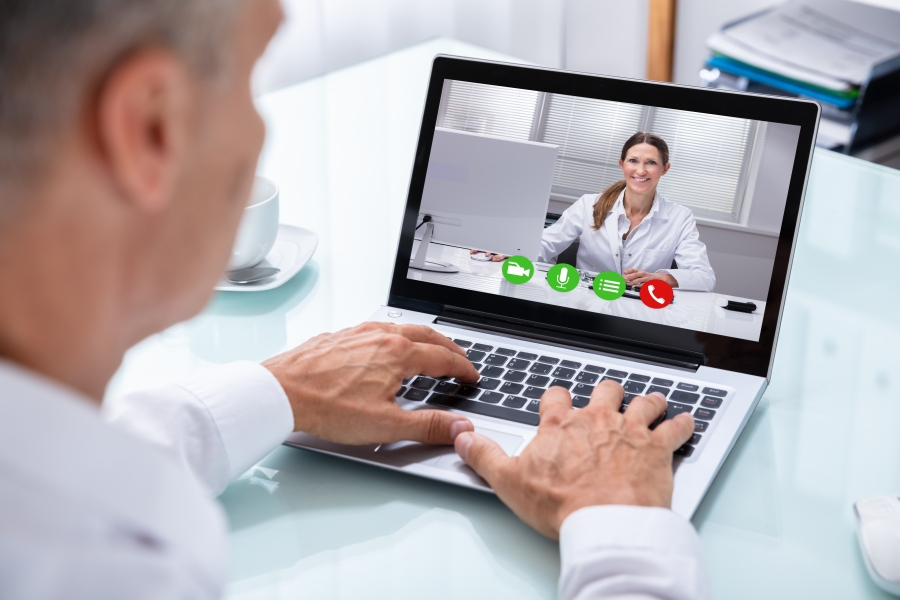
Mental health is just as important as physical health. When people feel stressed, anxious, sad, or emotionally overwhelmed, they need support to feel better. In the past, getting professional help often meant visiting a therapist’s office. Today, technology has made it much easier. Online mental health counseling allows people to connect with licensed counselors and therapists from the comfort of their own homes.
- What Is Online Mental Health Counseling?
- How Does Online Mental Health Counseling Work?
- 1. Choose a Counseling Platform
- 2. Create an Account
- 3. Schedule an Appointment
- 4. Attend Therapy Sessions
- 5. Continue the Healing Process
- Easy Access
- Saves Time
- Comfortable Environment
- Flexible Scheduling
- More Privacy
- Affordable Options
- Cognitive Behavioral Therapy (CBT)
- Talk Therapy
- Couples Counseling
- Family Therapy
- Stress Management Counseling
- Internet Problems
- Privacy at Home
- Technology Issues
- Not Suitable for Emergencies
- Check Qualifications
- Read Reviews
- Look at Their Specialties
- Understand Pricing
- Schedule a Consultation
- 1. What is online mental health counseling?
- 2. Is online mental health counseling effective?
- 3. Who should consider online counseling?
- 4. Is online therapy private and secure?
- 5. How do I choose the best online mental health counselor?
This modern approach to mental health care has become popular because it is convenient, affordable, and private. Whether someone is dealing with everyday stress, anxiety, depression, relationship problems, or personal challenges, online counseling offers a safe place to talk and receive professional guidance.
In this article, you will learn what online mental health counseling is, how it works, its benefits, possible challenges, and tips for choosing the right online counselor.
What Is Online Mental Health Counseling?
Online mental health counseling is a type of therapy that takes place through the internet instead of meeting a therapist in person. People can communicate with mental health professionals using video calls, phone calls, live chat, or secure messaging.
The goal is the same as traditional counseling: helping people improve their emotional well-being, manage mental health conditions, solve personal problems, and develop healthier ways of thinking and living.
Many licensed therapists now provide online services because they can reach more people and offer flexible appointment times.
How Does Online Mental Health Counseling Work?
The process is simple and designed to make therapy easy to access.
1. Choose a Counseling Platform
The first step is finding a trusted online counseling service or licensed therapist. Many websites allow users to browse therapist profiles based on their experience, specialties, language, and availability.
2. Create an Account
Most platforms ask users to complete a short questionnaire about their mental health concerns, goals, and personal preferences. This helps match clients with the most suitable therapist.
3. Schedule an Appointment
Clients can book sessions at times that fit their daily schedule. Many services offer evening and weekend appointments.
4. Attend Therapy Sessions
Counseling sessions usually last between 45 and 60 minutes. During the session, the therapist listens carefully, asks questions, and provides guidance based on the client’s needs.
5. Continue the Healing Process
Mental health improvement takes time. Regular sessions help people understand their emotions, develop coping skills, and work toward long-term emotional wellness.
Benefits of Online Mental Health Counseling
Many people choose online counseling because it offers several important advantages.
Easy Access
People living in rural or remote areas may not have nearby therapists. Online counseling removes travel barriers and gives access to qualified professionals from different locations.
Saves Time
There is no need to drive to an office or wait in a waiting room. People simply log in from home, work, or another private location.
Comfortable Environment
Many individuals feel more relaxed talking from a familiar place. Being comfortable often makes it easier to open up during therapy sessions.
Flexible Scheduling
Online therapists often offer appointments outside regular business hours, making counseling easier for students, parents, and full-time workers.
More Privacy
Some people worry about being seen entering a therapist’s office. Online counseling provides greater privacy because sessions happen in a secure personal space.
Affordable Options
Many online counseling services cost less than traditional in-person therapy because they have fewer operating expenses.
Who Can Benefit from Online Mental Health Counseling?
Online counseling helps people from many different backgrounds.
It can support individuals experiencing:
- Anxiety
- Depression
- Stress
- Relationship problems
- Family conflicts
- Workplace pressure
- Grief and loss
- Low self-esteem
- Life transitions
- Burnout
- Panic attacks
- Social anxiety
Students, working professionals, parents, older adults, and even teenagers may all benefit from professional online counseling.
Common Types of Therapy Offered Online
Online therapists use different counseling methods depending on each person’s needs.
Cognitive Behavioral Therapy (CBT)
CBT helps people recognize negative thinking patterns and replace them with healthier thoughts and behaviors. It is commonly used for anxiety, depression, and stress management.
Talk Therapy
This involves open conversations where clients discuss feelings, experiences, and challenges while receiving emotional support.
Couples Counseling
Partners can work together to improve communication, rebuild trust, and solve relationship problems.
Family Therapy
Families can participate together to improve understanding, strengthen relationships, and resolve conflicts.
Stress Management Counseling
Therapists teach practical techniques to reduce stress and improve emotional balance.
Is Online Counseling Effective?
Research has shown that online mental health counseling can be just as effective as traditional face-to-face therapy for many common mental health conditions.
People often experience improvements in:
- Emotional well-being
- Anxiety symptoms
- Depression symptoms
- Confidence
- Communication skills
- Stress management
- Problem-solving abilities
- Relationship satisfaction
Success depends on attending sessions regularly, being honest with the therapist, and practicing the coping strategies learned during therapy.
Challenges of Online Mental Health Counseling
Although online therapy offers many advantages, it may not be perfect for everyone.
Internet Problems
Poor internet connections may interrupt sessions and affect communication.
Privacy at Home
Some people may struggle to find a quiet, private space where they can talk openly.
Technology Issues
Older adults or people unfamiliar with digital devices may need extra help using online platforms.
Not Suitable for Emergencies
Online counseling is generally not appropriate for mental health emergencies, such as someone being at immediate risk of harming themselves or others. In these situations, emergency services or local crisis support should be contacted right away.
Tips for Choosing the Right Online Counselor
Finding the right therapist is an important part of successful counseling.
Consider these factors:
Check Qualifications
Choose a licensed and certified mental health professional with proper training.
Read Reviews
Client reviews can provide helpful information about a therapist’s communication style and professionalism.
Look at Their Specialties
Different therapists specialize in different issues, such as anxiety, depression, trauma, or relationship counseling.
Understand Pricing
Compare session fees and check whether insurance or payment plans are available.
Schedule a Consultation
Many therapists offer an introductory consultation where you can ask questions before starting therapy.
How to Get the Most from Online Therapy
You can improve your counseling experience by following a few simple habits.
- Attend sessions regularly.
- Be honest about your thoughts and feelings.
- Complete any exercises or homework suggested by your therapist.
- Set realistic goals.
- Be patient with your progress.
- Find a quiet and private place for each session.
- Keep an open mind about learning new coping skills.
Small steps taken consistently often lead to meaningful improvements over time.
Online Counseling and Mental Health Awareness
As awareness of mental health continues to grow, more people understand that asking for help is a sign of strength rather than weakness. Online counseling has reduced many of the barriers that once prevented people from receiving support.
Whether someone is facing temporary stress or a long-term emotional challenge, professional guidance can make a significant difference. Talking with a trained counselor can help people understand their emotions, build resilience, and improve their quality of life.
The Future of Online Mental Health Counseling
Technology continues to improve mental health care. Many online platforms now offer secure video sessions, mobile apps, digital worksheets, mood trackers, and appointment reminders. These tools make therapy more convenient and help people stay engaged in their treatment.
As internet access becomes more widespread, online counseling is expected to reach even more communities around the world. It gives people the opportunity to receive support regardless of where they live, making mental health care more accessible than ever before.
Conclusion
Online mental health counseling has changed the way people receive emotional support. It combines professional care with modern technology, making therapy easier, more flexible, and more accessible. From managing anxiety and depression to improving relationships and coping with everyday stress, online counseling offers practical help for many life challenges.
While it may not replace in-person treatment for every situation, it is an effective option for millions of people seeking mental health support. Choosing a qualified therapist, attending sessions regularly, and staying committed to personal growth can lead to lasting emotional well-being. Taking the first step toward counseling is an investment in a healthier, happier future.
Frequently Asked Questions (FAQs)
1. What is online mental health counseling?
Online mental health counseling is therapy provided through video calls, phone calls, live chat, or secure messaging. It allows people to receive professional mental health support without visiting a therapist’s office.
2. Is online mental health counseling effective?
Yes. Studies have shown that online counseling can be highly effective for many people dealing with anxiety, depression, stress, and relationship issues when provided by a qualified mental health professional.
3. Who should consider online counseling?
Anyone experiencing emotional stress, anxiety, depression, relationship problems, grief, work pressure, or other mental health concerns may benefit from online counseling. It can also be helpful for people who have difficulty traveling or prefer the convenience of remote sessions.
4. Is online therapy private and secure?
Most reputable online counseling platforms use encrypted and secure communication systems to protect client information. It is also important for clients to attend sessions in a private location whenever possible.
5. How do I choose the best online mental health counselor?
Look for a licensed therapist with experience in your area of concern, read client reviews, compare pricing, check availability, and schedule an initial consultation to see if you feel comfortable working with them.