


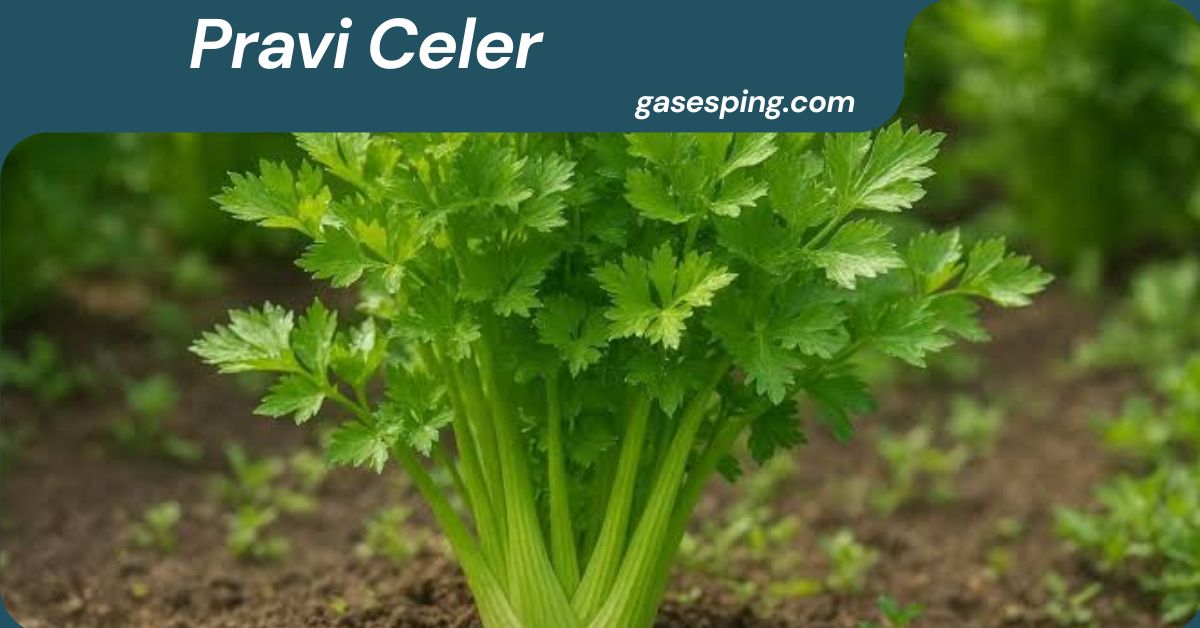
The internet is full of new food trends, traditional farming practices, and forgotten plant varieties that are gaining attention again. One term that has recently started appearing in online searches is “pravi celer.” Many people are curious about what it means, where it comes from, and why it is becoming more popular among gardeners, home cooks, and people interested in sustainable living.
- What Is Pravi Celer?
- The History of Pravi Celer
- Why Traditional Whole-Plant Growing Matters
- Botanical Characteristics of Pravi Celer
- Nutritional Profile of Pravi Celer
- Health Benefits of Pravi Celer
- Supports Daily Nutrition
- Rich in Antioxidants
- Supports Healthy Digestion
- Naturally Low in Calories
- High Water Content
- Supports Heart-Friendly Eating
- Traditional Uses of Pravi Celer
- Culinary Uses of Pravi Celer
- How to Grow Pravi Celer Successfully
- Choose the Right Location
- Prepare Healthy Soil
- Planting Pravi Celer
- Watering Requirements
- Fertilizing Naturally
- Weed Control
- Harvesting and Storing Pravi Celer
- Harvesting the Stalks
- Harvesting and Storing the Leaves
- Harvesting and Preserving the Root
- Collecting and Storing the Seeds
- Pravi Celer vs Modern Commercial Celery
- Sustainability Benefits of Pravi Celer
- Less Food Waste
- Better Resource Efficiency
- Supports Home Gardening
- Encourages Biodiversity
- Promotes Zero-Waste Cooking
- Common Mistakes People Make
- Myths About Pravi Celer
- Myth: Pravi Celer Is a Different Plant
- Myth: Only the Stalks Are Safe to Eat
- Myth: Growing Celery Is Extremely Difficult
- Myth: Modern Celery Has No Value
- Expert Tips for Getting the Most from Pravi Celer
- Why Interest in Pravi Celer Is Growing
- The Future of Pravi Celer
- Final Thoughts
- Frequently Asked Questions
Unlike modern commercial celery, which is usually grown for its crisp stalks alone, pravi celer represents a much older and more traditional approach. It refers to the complete celery plant grown naturally and used in its entirety. Instead of harvesting only one edible section, traditional growers make use of the stalks, leaves, root, and seeds. Every part has a purpose, making the plant more valuable and reducing unnecessary waste.
Today, this traditional philosophy fits perfectly with modern interests in organic gardening, zero-waste cooking, home-grown vegetables, and environmentally friendly farming. People are increasingly looking for ways to use food more efficiently, and pravi celer offers a simple example of how traditional knowledge can still be useful today.
Although the phrase itself is not widely recognized in English-speaking countries, the idea behind it has existed for centuries. Farmers and families have long understood that every part of a healthy plant has value. Instead of throwing away leaves or ignoring the roots, they found practical ways to use everything the plant produced.
This comprehensive guide explores everything you need to know about pravi celer. You’ll learn its meaning, history, characteristics, nutritional value, health benefits, traditional uses, culinary applications, and why this whole-plant approach is becoming increasingly relevant in today’s world.
What Is Pravi Celer?
Pravi celer is a traditional term that refers to the complete celery plant grown naturally and used in its entirety rather than focusing only on its stalks. Unlike modern commercial celery, which is primarily cultivated for its crisp stalks, pravi celer represents a whole-plant approach where every edible part is valued and used. This includes the stalks, leaves, root, and seeds, each serving a unique purpose in cooking, gardening, and traditional food preparation.
The phrase “pravi celer” comes from South Slavic languages. The word “pravi” generally means real, true, authentic, or genuine, while “celer” means celery. Together, the phrase can be understood as “authentic celery” or “true celery.” However, its meaning goes far beyond a simple translation. It represents a traditional philosophy of growing and using celery in the most complete and natural way possible.
Instead of viewing celery as a vegetable grown only for one edible part, pravi celer recognizes the value of the entire plant. Every harvest is considered a complete resource, where nothing useful is wasted. The crisp stalks are enjoyed fresh or cooked, the aromatic leaves add flavor to a variety of dishes, the root is used in soups and roasted meals, and the mature seeds are collected for seasoning or future planting.
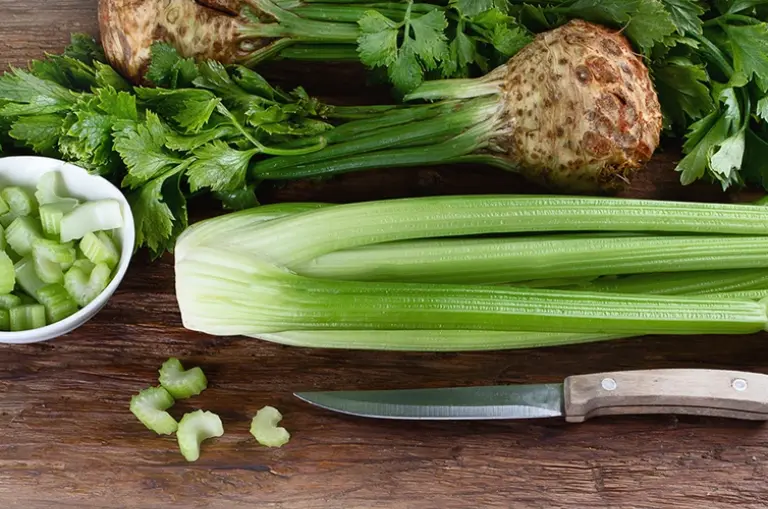
This whole-plant approach has been practiced for generations. Long before supermarkets and commercial farming became common, families depended on making full use of every crop they harvested. Rather than discarding leaves or ignoring the roots, they found practical ways to use every part of the celery plant. This reduced food waste, provided better nutrition, and ensured that each harvest delivered the greatest possible value.
Today, the concept of pravi celer aligns perfectly with modern interests in sustainable agriculture, organic gardening, zero-waste cooking, and environmentally responsible food production. As more people look for ways to reduce waste and make better use of natural resources, the traditional principles behind pravi celer have become increasingly relevant. It is not simply another name for celery but a reminder that the entire plant can be appreciated for its nutritional, culinary, and environmental benefits.
Also Read:Troozer Com: Complete Guide to What It Is, How It Works & Is It Safe?
The History of Pravi Celer
Celery has been cultivated for thousands of years, making it one of the oldest vegetables still widely grown today.
Ancient cultures valued celery for many different reasons. It appeared in traditional cooking, herbal practices, religious ceremonies, and even early medicine.
The earliest celery plants looked quite different from modern supermarket varieties.
Traditional celery often had:
- Smaller stalks
- Stronger aroma
- Darker leaves
- Larger roots
- More intense flavor
Because food was valuable, people rarely discarded usable plant parts.
Instead, families developed recipes that included the entire plant.
Leaves flavored soups.
Roots became hearty meals.
Seeds were collected for future planting.
Stalks were eaten fresh or cooked.
Nothing was wasted.
This traditional approach eventually became associated with the idea that today’s searches describe as pravi celer.
Although modern agriculture has changed how celery is grown and marketed, many home gardeners continue to preserve these older growing methods.
Why Traditional Whole-Plant Growing Matters
Modern agriculture often focuses on producing vegetables that are visually attractive, easy to transport, and consistent in appearance.
While these goals improve large-scale food production, they sometimes reduce the emphasis on flavor, diversity, and complete plant use.
Traditional growing methods follow different priorities.
They often focus on:
- Better taste
- Healthy soil
- Natural plant development
- Biodiversity
- Seed preservation
- Minimal waste
- Long-term sustainability
Pravi celer reflects these traditional values.
Instead of asking which part sells best, it asks how every part can be useful.
This mindset encourages people to waste less food while enjoying greater variety in their meals.
Botanical Characteristics of Pravi Celer
Understanding the plant itself helps explain why it has remained valuable for generations.
Celery belongs to the Apiaceae family, which also includes several well-known vegetables and herbs.
A mature traditional celery plant consists of several important parts that develop throughout the growing season.
Strong Upright Stalks
The stalks support the leaves and transport water throughout the plant.
Traditional varieties often produce stalks that are:
- Slightly thinner
- More aromatic
- Richer in flavor
- Less watery than commercial celery
Although they may not appear as large as supermarket celery, many gardeners believe they offer superior taste.
Deep Green Leaves
Leaves play an essential role in photosynthesis.
In traditional cooking, they are valued almost as highly as the stalks.
Compared with modern grocery-store celery leaves, traditional varieties often produce:
- Stronger aroma
- Darker color
- More concentrated flavor
Healthy Root System
The root anchors the plant while absorbing water and nutrients from the soil.
Some traditional celery varieties also produce larger edible roots that can be harvested for cooking.
These roots provide a slightly sweet, earthy taste that works well in soups, roasted dishes, and purees.
Flowers and Seeds
If allowed to mature completely, celery produces umbrella-shaped flower clusters.
These flowers eventually develop into seeds.
The seeds serve two important purposes.
First, they allow gardeners to grow future crops.
Second, they can be used as a flavorful seasoning in many recipes.
Nutritional Profile of Pravi Celer
Using the complete celery plant provides a broader nutritional range than eating only the stalks.
Each section contains different nutrients and beneficial plant compounds.
Together, they contribute to a balanced diet.
Pravi celer naturally contains nutrients such as:
- Vitamin K
- Vitamin A
- Vitamin C
- Folate
- Potassium
- Calcium
- Magnesium
- Iron
- Dietary fiber
- Natural antioxidants
Because the leaves, roots, stalks, and seeds all differ nutritionally, eating multiple parts creates greater dietary variety.
For example, the leaves generally contain more vitamins than the stalks, while the root provides additional fiber and complex carbohydrates.
Health Benefits of Pravi Celer
Pravi celer should be viewed as part of a healthy diet rather than a medical treatment.
When eaten regularly alongside other nutritious foods, it offers several potential health advantages.
Supports Daily Nutrition
The variety of vitamins and minerals found throughout the plant helps support normal body functions.
Using multiple parts of the plant increases nutrient diversity.
Rich in Antioxidants
Plant-based antioxidants help protect cells from everyday oxidative stress.
Traditional whole-plant consumption naturally increases exposure to these beneficial compounds.
Supports Healthy Digestion
Dietary fiber found in the stalks, root, and leaves contributes to healthy digestion.
Fiber may help support:
- Normal bowel movements
- Gut health
- Feelings of fullness
Naturally Low in Calories
Like standard celery, pravi celer is naturally low in calories while providing valuable nutrients.
This makes it suitable for balanced eating plans.
High Water Content
Fresh celery stalks contain a significant amount of water.
This contributes to hydration while providing a refreshing texture.
Supports Heart-Friendly Eating
Pravi celer fits well into heart-conscious diets because it is naturally:
- Low in fat
- Low in cholesterol
- Rich in potassium
- High in fiber
- High in water
These characteristics make it an excellent addition to everyday meals.
Traditional Uses of Pravi Celer
Long before modern supermarkets, families relied on complete plant utilization.
Pravi celer supported everyday life in several ways.
Home Cooking
Traditional meals often included every edible section.
Nothing useful was discarded.
Food Preservation
Leaves were dried for seasoning.
Seeds were saved for future planting.
Roots were stored throughout winter.
Stalks were preserved in soups and broths.
Household Gardening
Families often collected seeds each year instead of purchasing new ones.
This practice preserved local varieties while reducing costs.
Seasonal Eating
Pravi celer fit naturally into seasonal food traditions.
Fresh stalks were enjoyed during harvest.
Roots lasted through colder months.
Dried leaves remained useful year-round.
Culinary Uses of Pravi Celer
One of the greatest strengths of pravi celer is its incredible versatility in the kitchen.
Because every part of the plant offers unique flavors and textures, cooks have countless ways to incorporate it into everyday meals.
Fresh Salads
Raw celery adds crisp texture and refreshing flavor.
For extra taste, combine:
- Thinly sliced stalks
- Chopped leaves
- Grated root
- Fresh herbs
- Lemon juice
The result is a nutritious salad with multiple layers of flavor.
Homemade Soups
Traditional soups often use every available part of the plant.
A simple vegetable soup may include:
- Celery stalks
- Celery leaves
- Chopped root
- Carrots
- Onions
- Garlic
- Herbs
Using the complete plant creates a richer, deeper flavor than relying only on stalks.
Vegetable Broth
Instead of throwing away leftover pieces, many home cooks freeze celery scraps until enough accumulate for homemade stock.
This reduces food waste while producing flavorful broth for future recipes.
Roasted Vegetables
The root pairs well with vegetables such as:
- Potatoes
- Sweet potatoes
- Carrots
- Parsnips
- Onions
Roasting enhances its naturally earthy sweetness.
Herb Blends
Fresh or dried celery leaves can be mixed with parsley, thyme, oregano, and other herbs to create homemade seasoning for soups, meats, vegetables, and pasta dishes.
This simple practice reflects the traditional philosophy behind pravi celer—making full use of every part of the harvest.
How to Grow Pravi Celer Successfully
Growing pravi celer requires patience, but the reward is a healthy plant that provides multiple edible parts instead of just one. Whether you have a large backyard or a small vegetable garden, you can grow celery successfully by following a few basic steps.
Unlike many fast-growing vegetables, celery develops slowly and needs consistent care throughout the growing season. Traditional gardeners often consider this extra effort worthwhile because the entire plant becomes useful.
Choose the Right Location
Pravi celer grows best in an area that receives plenty of sunlight while staying cool enough to prevent excessive heat stress.
The ideal growing location should provide:
- Six to eight hours of sunlight
- Good air circulation
- Rich, fertile soil
- Easy access to watering
In hotter regions, afternoon shade can help protect the plants during the warmest part of the day.
Prepare Healthy Soil
Healthy soil is one of the most important factors for growing quality celery.
The soil should be:
- Rich in organic matter
- Well-drained
- Moist but not waterlogged
- Slightly acidic to neutral
Adding compost before planting improves soil fertility and helps retain moisture.
Traditional growers often improve soil naturally instead of relying heavily on synthetic fertilizers.
Planting Pravi Celer
Celery can be grown from seeds or young transplants.
Seeds require patience because they germinate slowly compared to many vegetables.
Also Read:Antarvwsna: Complete Guide to Inner Desires, Creativity, and Emotional Awareness
After seedlings become strong enough, they should be transplanted with enough space between plants to encourage healthy growth.
Proper spacing allows:
- Better airflow
- Strong root development
- Healthier stalks
- Reduced disease risk
Watering Requirements
One reason many gardeners struggle with celery is inconsistent watering.
Pravi celer prefers consistently moist soil throughout the growing season.
Dry conditions may result in:
- Tough stalks
- Bitter flavor
- Slow growth
- Smaller plants
Instead of occasional heavy watering, regular moderate watering usually produces better results.
Fertilizing Naturally
Traditional growing methods often rely on organic nutrients.
Good choices include:
- Compost
- Well-rotted manure
- Organic vegetable fertilizer
- Leaf compost
Healthy soil naturally supports stronger roots, greener leaves, and better overall plant development.
Weed Control
Weeds compete with celery for water and nutrients.
Applying mulch around plants helps:
- Reduce weeds
- Maintain soil moisture
- Improve soil quality over time
- Protect shallow roots
Natural mulch also supports beneficial soil organisms.
Harvesting and Storing Pravi Celer
Harvesting and storing pravi celer correctly ensures that every part of the plant remains useful and fresh for as long as possible. Unlike modern commercial celery, which is often harvested mainly for its stalks, the traditional approach behind pravi celer focuses on using the entire mature plant. The stalks, leaves, root, and seeds are all harvested at the appropriate time and stored properly to reduce waste and preserve their flavor, nutrition, and quality.
Harvesting the Stalks
The outer stalks can be harvested first while allowing the inner stalks to continue growing. This method extends the harvesting season and provides a steady supply of fresh celery over several weeks. Choose firm, healthy stalks and cut them close to the base using a clean knife.
After harvesting, store the stalks in the refrigerator. Wrapping them in aluminum foil or placing them in an airtight container helps retain their crisp texture and freshness for a longer period.
Harvesting and Storing the Leaves
Celery leaves can be picked throughout the growing season without harming the plant. Regular harvesting encourages new leaf growth while providing a flavorful herb for everyday cooking.
Fresh leaves should be refrigerated and used within a few days. For long-term storage, they can be:
- Frozen
- Dried for homemade seasoning
- Chopped into herb cubes with olive oil or water
- Mixed with other fresh herbs before freezing
Properly stored leaves retain much of their flavor and can be used in soups, sauces, stews, and salads throughout the year.
Harvesting and Preserving the Root
Once the plant reaches full maturity, the root can be carefully lifted from the soil. After removing excess soil and washing it thoroughly, the root is ready to be roasted, boiled, mashed, or added to soups and stews.
For storage, keep the root in a cool, dark, and well-ventilated place. Under suitable conditions, it can remain fresh for several weeks, making it an excellent vegetable for long-term use.
Collecting and Storing the Seeds
If some plants are allowed to flower, they will eventually produce mature celery seeds. Seed collection is one of the oldest traditions associated with pravi celer and supports both sustainable gardening and future planting.
After the seed heads have fully dried, collect the seeds and remove any plant debris. Store them in an airtight container in a cool, dry place away from direct sunlight. Properly stored seeds can be used as a flavorful seasoning or saved for planting the next growing season.
By harvesting and storing every part of the plant carefully, the traditional principles of pravi celer can be fully realized. This whole-plant approach reduces food waste, preserves valuable nutrients, and allows gardeners and home cooks to enjoy the benefits of celery long after the growing season has ended.
Pravi Celer vs Modern Commercial Celery
Although both come from the same plant family, their overall purpose differs.
| Feature | Pravi Celer | Modern Commercial Celery |
| Main Focus | Whole plant use | Primarily stalk production |
| Leaves | Fully utilized | Often discarded |
| Root | Frequently eaten | Sometimes ignored |
| Seeds | Saved and reused | Rarely collected |
| Growing Style | Traditional | Commercial farming |
| Food Waste | Very low | Often higher |
| Sustainability | Strong emphasis | Production efficiency |
Commercial celery serves modern food systems well because it offers consistency and convenience.
Pravi celer, however, focuses on making complete use of nature’s resources.
Sustainability Benefits of Pravi Celer
One reason interest in pravi celer continues to grow is its connection to sustainable living.
Instead of wasting edible plant parts, people learn how to use every harvest completely.
This creates several environmental advantages.
Less Food Waste
Throwing away celery leaves or roots means losing valuable nutrition.
Using the complete plant naturally reduces waste.
Better Resource Efficiency
Every seed, leaf, stalk, and root requires water, sunlight, and nutrients to grow.
Using the entire harvest respects those resources.
Supports Home Gardening
Growing celery at home reduces dependence on packaged vegetables and long-distance transportation.
Encourages Biodiversity
Traditional gardening often includes heirloom varieties and seed saving.
This helps preserve valuable plant diversity for future generations.
Promotes Zero-Waste Cooking
Modern kitchens increasingly focus on using ingredients completely.
Pravi celer fits perfectly into this movement.
Common Mistakes People Make
Many beginners accidentally waste valuable parts of the plant.
Some of the most common mistakes include:
Throwing Away the Leaves
The leaves contain excellent flavor and nutrients.
Instead of discarding them, use them as fresh herbs.
Ignoring the Root
The root makes delicious soups, roasted vegetables, and purees.
Many people simply forget it is edible.
Overwatering
Although celery enjoys moisture, constantly waterlogged soil may damage roots.
Balanced watering is essential.
Harvesting Too Early
Allowing the plant enough time to mature improves flavor and overall yield.
Forgetting to Save Seeds
Traditional gardeners often collect seeds for future planting.
This simple habit preserves valuable varieties while reducing gardening costs.
Myths About Pravi Celer
As online interest grows, several misunderstandings have also appeared.
Let’s separate fact from fiction.
Myth: Pravi Celer Is a Different Plant
Fact:
Pravi celer is not a completely different species.
It represents the traditional practice of using the entire celery plant.
Myth: Only the Stalks Are Safe to Eat
Fact:
The leaves, root, and seeds also have culinary uses when properly prepared.
Myth: Growing Celery Is Extremely Difficult
Fact:
Celery requires patience and regular care, but many beginner gardeners grow it successfully.
Myth: Modern Celery Has No Value
Fact:
Commercial celery remains nutritious and useful.
Pravi celer simply encourages fuller use of every edible part.
Expert Tips for Getting the Most from Pravi Celer
Traditional gardeners often follow simple habits that maximize every harvest.
Useful tips include:
- Harvest leaves regularly.
- Freeze extra stalks for soups.
- Dry leaves for homemade seasoning.
- Roast the root instead of discarding it.
- Save seeds from healthy plants.
- Compost only unusable material.
- Rotate crops each season.
- Add compost every year.
- Water consistently.
- Experiment with whole-plant recipes.
These practices reflect the practical philosophy behind pravi celer.
Why Interest in Pravi Celer Is Growing
Several food and gardening trends have increased interest in traditional whole-plant growing.
These include:
- Organic gardening
- Sustainable agriculture
- Zero-waste kitchens
- Farm-to-table cooking
- Home vegetable gardens
- Heirloom seeds
- Environmental awareness
- Traditional food culture
People increasingly appreciate foods that provide more than convenience.
Also Read:Trucofax: Complete Guide to the Trending Online Keyword
Pravi celer offers flavor, nutrition, sustainability, and versatility in one plant.
The Future of Pravi Celer
As more consumers choose environmentally responsible lifestyles, traditional growing methods continue to gain attention.
The ideas represented by pravi celer support many modern goals.
Future gardening trends are likely to emphasize:
- Whole-plant cooking
- Regenerative agriculture
- Organic food production
- Home food gardens
- Seed preservation
- Reduced food waste
- Local food systems
Although farming technology continues to evolve, the simple principle of using every edible part of a plant remains as valuable today as it was generations ago.
Pravi celer reminds us that sustainable living often begins with small everyday choices.
Final Thoughts
Pravi celer is more than just another name for celery. It represents a traditional philosophy that values the entire plant instead of only one harvested section.
By using the stalks, leaves, roots, and seeds, growers and cooks can reduce waste, enjoy more diverse flavors, and make better use of the resources required to grow food. This whole-plant approach reflects centuries of practical farming knowledge while fitting naturally into today’s interest in sustainability, organic gardening, and healthier eating.
Whether you are growing celery in your backyard, shopping at a local farmers market, or simply looking for new ways to reduce kitchen waste, adopting the principles behind pravi celer can make a noticeable difference. Every part of the plant has something valuable to offer, proving that traditional wisdom still has an important place in modern life.
As awareness of sustainable food systems continues to grow, the philosophy of pravi celer is likely to inspire even more gardeners, home cooks, and environmentally conscious consumers. By embracing complete plant utilization, you not only enjoy better value from every harvest but also contribute to a more responsible and thoughtful way of producing and consuming food.
Frequently Asked Questions
What is the main idea behind pravi celer?
The main idea is to grow and use the entire celery plant, including its stalks, leaves, roots, and seeds, instead of focusing on only one edible part.
Is pravi celer suitable for beginners?
Yes. Beginners can successfully grow pravi celer with fertile soil, regular watering, and patience throughout the growing season.
Can celery leaves be eaten raw?
Yes. Fresh celery leaves are edible and can be added to salads, sandwiches, smoothies, soups, and herb mixes.
Are celery roots nutritious?
Yes. Celery roots provide fiber, vitamins, minerals, and a pleasant earthy flavor that works well in many cooked dishes.
Why do traditional gardeners save celery seeds?
Saving seeds helps preserve traditional plant varieties while reducing the need to purchase new seeds every season.
Is pravi celer only used for cooking?
No. In addition to cooking, it supports home gardening, seed saving, sustainable farming, and zero-waste living.
Does using the whole plant reduce food waste?
Yes. Using every edible part significantly reduces unnecessary kitchen waste and makes better use of the harvest.