


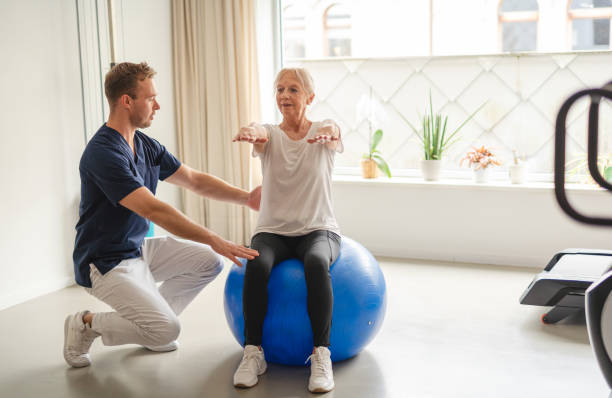
Growing older comes with many changes, and sometimes health problems become a part of everyday life. A fall, surgery, stroke, broken bone, or long illness can make simple activities difficult. Walking, dressing, cooking, or even getting out of bed may become a challenge. This is where senior rehabilitation programs play an important role.
- Physical Therapy
- Occupational Therapy
- Speech Therapy
- Cardiac Rehabilitation
- Pulmonary Rehabilitation
- Inpatient Rehabilitation Centers
- Outpatient Rehabilitation Clinics
- Home Rehabilitation
- Nursing Homes and Assisted Living Facilities
- Initial Assessment
- Goal Setting
- Therapy Sessions
- Progress Evaluation
- Improved Mobility
- Reduced Pain
- Better Balance
- Increased Independence
- Better Mental Health
- Faster Recovery
- Qualified Staff
- Personalized Treatment Plans
- Modern Equipment
- Positive Reviews
- Convenient Location
These programs are specially designed to help older adults regain strength, improve movement, rebuild confidence, and return to living as independently as possible. Rehabilitation is not only about recovering from an injury. It is also about improving quality of life, reducing pain, preventing future health problems, and helping seniors stay active.
In this article, we will explain everything you need to know about senior rehabilitation programs, their benefits, types, services, and how families can choose the right program for their loved ones.
What Are Senior Rehabilitation Programs?
Senior rehabilitation programs are healthcare services created to help older adults recover after an illness, injury, surgery, or medical condition. These programs combine medical care with physical exercises, therapy, emotional support, and education to improve a person’s overall health.
Every senior has different needs. Some people may need help walking after hip replacement surgery, while others may need speech therapy after a stroke. Rehabilitation professionals create personalized treatment plans based on each person’s health condition and recovery goals.
The main purpose is to help seniors regain independence and safely perform daily activities.
Why Are Senior Rehabilitation Programs Important?
As people age, the body naturally becomes weaker. Muscles lose strength, bones become fragile, and balance may decrease. Recovery from injuries also takes longer than it does for younger people.
Senior rehabilitation programs help older adults by:
- Restoring strength and mobility
- Improving balance and coordination
- Reducing pain
- Preventing falls
- Helping seniors regain independence
- Improving mental health
- Increasing confidence
- Supporting family caregivers
Without proper rehabilitation, seniors may become less active, leading to additional health problems such as muscle weakness, depression, or loss of independence.
Who Can Benefit from Senior Rehabilitation Programs?
Many older adults can benefit from rehabilitation services.
Common situations include:
- Recovery after hip or knee replacement surgery
- Stroke recovery
- Heart attack rehabilitation
- Broken bones or fractures
- Joint pain
- Arthritis
- Parkinson’s disease
- Multiple sclerosis
- Back injuries
- Balance disorders
- Recovering after long hospital stays
- Chronic pain
- Lung diseases such as COPD
- General weakness caused by aging
Even seniors without major injuries may benefit from rehabilitation to improve mobility and prevent future health issues.
Types of Senior Rehabilitation Programs
Different rehabilitation programs focus on different health needs.
Physical Therapy
Physical therapy helps seniors improve movement, strength, flexibility, and balance.
A physical therapist teaches safe exercises that help patients:
- Walk better
- Reduce pain
- Increase muscle strength
- Improve posture
- Prevent falls
- Recover after surgery
Many seniors notice improved confidence after completing physical therapy.
Occupational Therapy
Occupational therapy helps seniors perform everyday tasks more easily.
Therapists teach practical skills for activities like:
- Dressing
- Bathing
- Cooking
- Cleaning
- Writing
- Using household equipment
They may also recommend special tools that make daily life safer and easier.
Speech Therapy
Speech therapy is useful for seniors who have difficulty speaking, swallowing, or communicating.
This therapy often helps people recovering from:
- Stroke
- Brain injury
- Parkinson’s disease
- Dementia
Speech therapists also help improve memory and communication skills.
Cardiac Rehabilitation
After a heart attack or heart surgery, seniors often need cardiac rehabilitation.
This program includes:
- Safe exercise routines
- Heart monitoring
- Nutrition advice
- Stress management
- Healthy lifestyle education
It helps reduce the risk of future heart problems.
Pulmonary Rehabilitation
Pulmonary rehabilitation supports seniors with breathing conditions like COPD or chronic lung disease.
The program teaches:
- Breathing exercises
- Energy-saving techniques
- Safe physical activity
- Proper medication use
Many participants experience less shortness of breath.
Where Are Senior Rehabilitation Programs Offered?
Rehabilitation services are available in several settings.
Inpatient Rehabilitation Centers
These facilities provide 24-hour medical care for seniors recovering from serious illness or surgery.
Patients stay for several days or weeks while receiving therapy every day.
Outpatient Rehabilitation Clinics
Outpatient programs allow seniors to live at home while visiting the clinic several times each week for therapy sessions.
This option works well for people who are medically stable.
Home Rehabilitation
Some seniors receive therapy in their own homes.
Home rehabilitation is especially helpful for people who:
- Have limited mobility
- Cannot travel easily
- Feel more comfortable at home
Therapists bring equipment and guide exercises during home visits.
Nursing Homes and Assisted Living Facilities
Many long-term care facilities provide rehabilitation services to residents.
Therapists work with seniors to maintain mobility and improve independence.
What Happens During a Senior Rehabilitation Program?
Each rehabilitation plan is personalized, but most programs follow similar steps.
Initial Assessment
Healthcare professionals evaluate the senior’s:
- Medical history
- Physical condition
- Strength
- Balance
- Mobility
- Pain level
- Daily living abilities
Based on the evaluation, they create a customized treatment plan.
Goal Setting
Therapists work with seniors and family members to establish realistic goals.
Examples include:
- Walking without assistance
- Climbing stairs
- Cooking meals independently
- Reducing pain
- Improving balance
Small goals help keep patients motivated.
Therapy Sessions
Most rehabilitation programs include regular therapy sessions.
These may involve:
- Stretching exercises
- Strength training
- Walking practice
- Balance exercises
- Speech activities
- Daily living practice
Therapists carefully monitor progress and adjust exercises when needed.
Progress Evaluation
Recovery is reviewed regularly.
If a senior reaches one goal, new goals are added to continue improving overall health.
Benefits of Senior Rehabilitation Programs
Rehabilitation offers many physical and emotional benefits.
Improved Mobility
Many seniors regain the ability to walk, climb stairs, and move around safely.
Better mobility allows greater independence.
Reduced Pain
Therapeutic exercises strengthen muscles and reduce joint stress.
Many seniors experience less chronic pain after rehabilitation.
Better Balance
Falls are one of the biggest health risks for older adults.
Balance training helps reduce fall-related injuries.
Increased Independence
Simple activities like dressing, bathing, and preparing meals become easier after therapy.
This reduces dependence on family members.
Better Mental Health
Recovery can improve self-esteem and reduce feelings of anxiety or depression.
Staying active also supports brain health.
Faster Recovery
People who participate in rehabilitation often recover more quickly than those who remain inactive.
Early movement helps prevent complications.
How Family Members Can Help
Family support makes a huge difference during rehabilitation.
Helpful ways to assist include:
- Encouraging daily exercises
- Attending therapy appointments
- Celebrating progress
- Preparing healthy meals
- Keeping the home safe
- Providing emotional support
- Helping with transportation
Positive encouragement helps seniors stay motivated throughout recovery.
Choosing the Right Senior Rehabilitation Program
Selecting the best program requires careful planning.
Consider the following factors:
Qualified Staff
Choose programs with experienced physical therapists, occupational therapists, speech therapists, nurses, and physicians.
Personalized Treatment Plans
Every senior has different health needs.
Avoid programs that use the same treatment for everyone.
Modern Equipment
Quality rehabilitation centers use updated therapy equipment and safe exercise tools.
Positive Reviews
Read online reviews and ask healthcare providers for recommendations.
Good patient experiences often reflect quality care.
Convenient Location
A nearby rehabilitation center makes regular attendance easier.
If travel is difficult, home rehabilitation may be the best option.
Tips for a Successful Recovery
Recovery takes patience and consistency.
Here are some simple tips:
- Attend every therapy session.
- Follow the therapist’s instructions.
- Stay physically active.
- Eat healthy foods rich in protein and vitamins.
- Drink enough water.
- Get enough sleep.
- Stay positive.
- Ask questions when unsure.
- Report new pain or symptoms immediately.
- Celebrate every improvement, even small ones.
Every step forward is progress.
The Future of Senior Rehabilitation Programs
Technology is changing rehabilitation in exciting ways.
Many healthcare providers now offer:
- Virtual therapy sessions
- Video consultations
- Smart exercise tracking devices
- Wearable health monitors
- Robotic rehabilitation equipment
- Balance training using virtual reality
These innovations make rehabilitation more convenient and effective for many seniors.
As healthcare continues to improve, more older adults will have access to personalized treatment that supports long-term independence and better quality of life.
Conclusion
Senior rehabilitation programs provide much more than medical treatment. They help older adults rebuild strength, regain confidence, improve independence, and enjoy a better quality of life after illness, injury, or surgery.
Whether someone needs physical therapy after a fall, speech therapy following a stroke, or cardiac rehabilitation after heart surgery, these programs offer personalized care designed to meet individual needs.
With professional guidance, family support, healthy habits, and determination, many seniors can return to the activities they enjoy and continue living active, fulfilling lives. Investing in rehabilitation is an investment in better health, greater independence, and a brighter future.
Frequently Asked Questions (FAQs)
1. What are senior rehabilitation programs?
Senior rehabilitation programs are specialized healthcare services that help older adults recover after surgery, injury, illness, or chronic medical conditions. They focus on improving strength, mobility, balance, independence, and overall quality of life.
2. How long does a senior rehabilitation program usually last?
The length of rehabilitation depends on the person’s condition and recovery goals. Some seniors may need only a few weeks of therapy, while others with more complex health issues may require several months of rehabilitation.
3. Can seniors receive rehabilitation at home?
Yes. Many healthcare providers offer home-based rehabilitation services. Therapists visit the patient’s home to provide physical, occupational, or speech therapy, making recovery more comfortable for seniors with limited mobility.
4. What conditions require senior rehabilitation?
Senior rehabilitation is commonly recommended after strokes, hip or knee replacement surgery, fractures, heart attacks, arthritis, Parkinson’s disease, chronic pain, balance problems, and extended hospital stays.
5. What are the biggest benefits of senior rehabilitation programs?
The main benefits include improved mobility, reduced pain, better balance, increased independence, faster recovery, improved mental well-being, lower risk of falls, and a higher overall quality of life.