


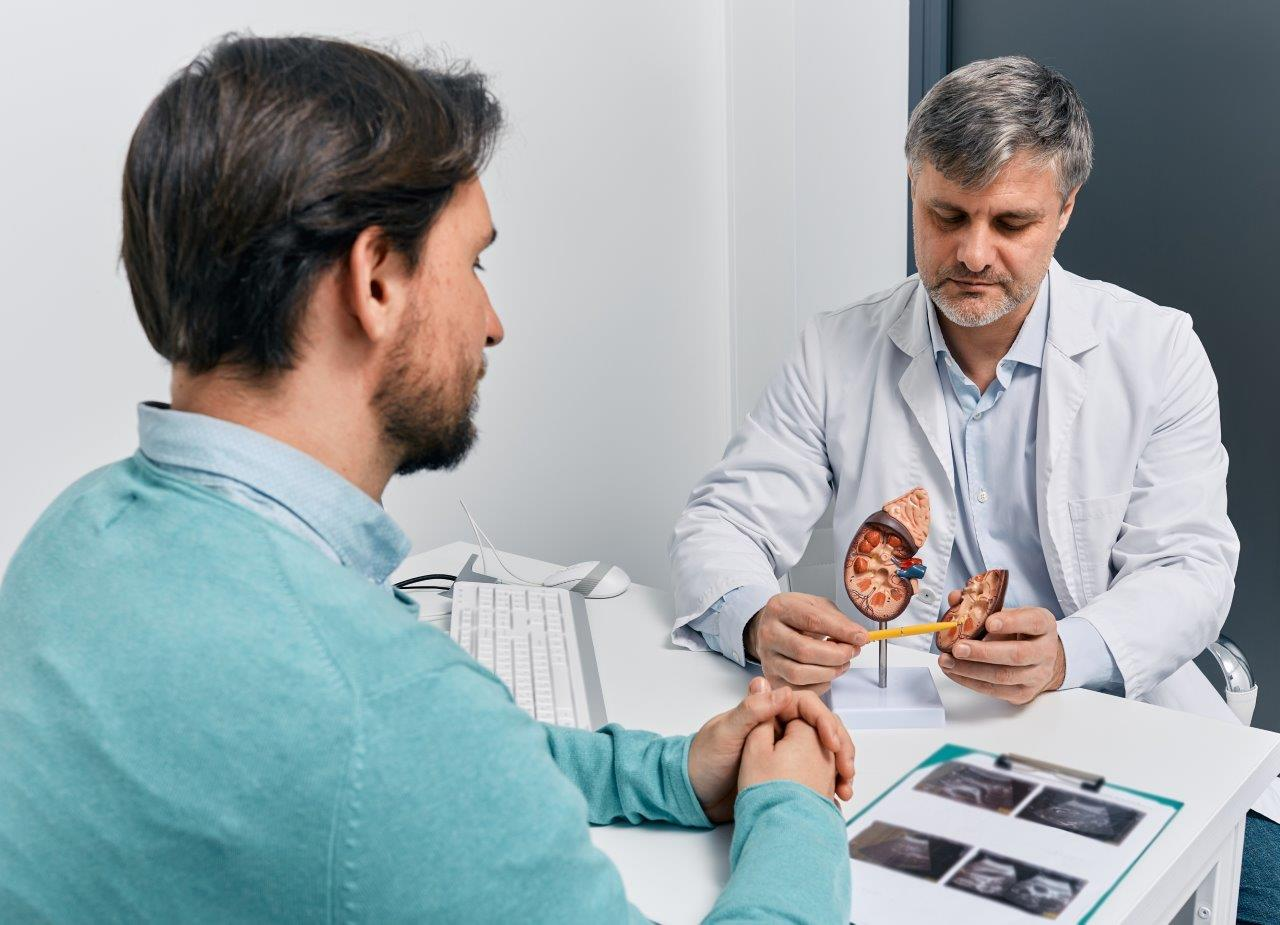
Kidney stones are one of the most painful health problems a person can experience. The sharp pain can start suddenly and make even simple daily activities difficult. While some small kidney stones pass naturally, many people need medical help to remove them safely and prevent future problems. This is where a kidney stone treatment specialist plays an important role.
- Calcium Stones
- Uric Acid Stones
- Struvite Stones
- Cystine Stones
- 1. Watchful Waiting
- 2. Medication
- 3. Extracorporeal Shock Wave Lithotripsy (ESWL)
- 4. Ureteroscopy
- 5. Percutaneous Nephrolithotomy (PCNL)
- 6. Open Surgery
- Accurate Diagnosis
- Personalized Care
- Advanced Technology
- Faster Recovery
- Long-Term Prevention
- Drink Plenty of Water
- Reduce Salt Intake
- Eat More Fruits and Vegetables
- Limit Sugary Drinks
- Maintain a Healthy Weight
- Follow Your Specialist’s Advice
- 1. What does a kidney stone treatment specialist do?
- 2. Can kidney stones go away without treatment?
- 3. What is the best treatment for large kidney stones?
- 4. How can I prevent kidney stones from coming back?
- 5. When should I see a kidney stone treatment specialist?
A kidney stone treatment specialist has the knowledge, experience, and advanced medical tools to diagnose, treat, and prevent kidney stones. They understand that every patient is different, so they create personalized treatment plans based on the size, type, and location of the stone.
In this article, you will learn everything you need to know about kidney stone treatment specialists, their services, treatment options, prevention tips, and when you should seek professional medical care.
What Is a Kidney Stone?
A kidney stone is a hard deposit made from minerals and salts that forms inside the kidneys. Normally, urine contains chemicals that stop stones from developing. However, dehydration, diet, genetics, and certain medical conditions can increase the risk.
Kidney stones can be as small as a grain of sand or as large as a golf ball. Small stones may pass naturally, but larger ones can block the urinary tract and cause severe pain.
Who Is a Kidney Stone Treatment Specialist?
A kidney stone treatment specialist is usually a urologist who specializes in diagnosing and treating diseases of the urinary tract. These specialists have extensive training in managing kidney stones using both non-surgical and surgical treatments.
In some cases, a nephrologist (kidney doctor) may also help patients, especially those who have recurring kidney stones or underlying kidney diseases.
Their goal is not only to remove the stone but also to reduce the chances of future stones forming.
Common Symptoms of Kidney Stones
Kidney stones often produce noticeable symptoms once they begin moving through the urinary tract. Common signs include:
- Severe pain in the back or side
- Pain that spreads to the lower abdomen
- Burning sensation while urinating
- Blood in the urine
- Frequent urge to urinate
- Cloudy or foul-smelling urine
- Nausea and vomiting
- Fever and chills if an infection develops
If you experience severe pain or blood in your urine, it is important to consult a kidney stone treatment specialist immediately.
What Causes Kidney Stones?
Several factors increase the risk of developing kidney stones.
Dehydration
Not drinking enough water allows minerals to become concentrated in the urine, making stone formation more likely.
Poor Diet
Eating large amounts of salt, sugar, and animal protein can increase the risk.
Family History
People with family members who have had kidney stones are more likely to develop them.
Obesity
Being overweight affects the body’s metabolism and may contribute to kidney stone formation.
Certain Medical Conditions
Diseases such as diabetes, gout, digestive disorders, and urinary tract infections can increase the risk.
Some Medications
Certain medicines and supplements may encourage stone formation in some individuals.
Types of Kidney Stones
Understanding the type of kidney stone helps specialists choose the best treatment.
Calcium Stones
These are the most common kidney stones and usually contain calcium oxalate.
Uric Acid Stones
Often found in people who eat large amounts of meat or have gout.
Struvite Stones
These develop after urinary tract infections and may grow quickly.
Cystine Stones
These are rare and occur due to a genetic disorder.
How a Kidney Stone Treatment Specialist Diagnoses the Problem
A specialist begins with a detailed medical history and physical examination.
Diagnostic tests may include:
Urine Test
Checks for infection, blood, and excessive minerals.
Blood Test
Measures kidney function and mineral levels.
CT Scan
Provides highly detailed images of the urinary system.
Ultrasound
A painless imaging test often used to detect kidney stones.
X-ray
Can identify many types of kidney stones.
These tests help determine the stone’s size, location, and composition.
Treatment Options Offered by a Kidney Stone Treatment Specialist
Treatment depends on the size and severity of the kidney stone.
1. Watchful Waiting
Small stones often pass naturally.
The specialist may recommend:
- Drinking plenty of water
- Pain medication
- Medication to relax the ureter
Patients are monitored until the stone passes safely.
2. Medication
Some medications help dissolve certain types of kidney stones, especially uric acid stones.
Other medicines help reduce pain and improve urine flow.
3. Extracorporeal Shock Wave Lithotripsy (ESWL)
This non-invasive treatment uses shock waves to break kidney stones into tiny pieces that pass naturally through urine.
Benefits include:
- No large surgical incision
- Short recovery time
- High success rate for suitable stones
4. Ureteroscopy
A thin camera is inserted through the urinary tract to locate the stone.
The specialist may:
- Remove the stone directly
- Break it into smaller pieces using a laser
Most patients return home the same day.
5. Percutaneous Nephrolithotomy (PCNL)
This procedure is used for large kidney stones.
A small incision is made in the back, allowing the surgeon to remove the stone directly.
Although more invasive than other treatments, it is highly effective for large or complex stones.
6. Open Surgery
Open surgery is rarely needed today because modern minimally invasive procedures are highly successful.
It is usually reserved for extremely complicated cases.
Why Choose a Kidney Stone Treatment Specialist?
Receiving treatment from an experienced specialist offers many benefits.
Accurate Diagnosis
Specialists identify the exact cause of your kidney stone.
Personalized Care
Every treatment plan is customized for the patient’s needs.
Advanced Technology
Modern equipment provides safer and more effective treatment.
Faster Recovery
Minimally invasive procedures reduce pain and recovery time.
Long-Term Prevention
Specialists focus on preventing future kidney stones, not just treating the current one.
How to Prevent Kidney Stones
Prevention is one of the most valuable parts of kidney stone care.
Drink Plenty of Water
Aim for at least 2 to 3 liters daily unless your doctor advises otherwise.
Reduce Salt Intake
Too much sodium increases calcium levels in urine.
Eat More Fruits and Vegetables
These foods help maintain healthy urine chemistry.
Limit Sugary Drinks
Soft drinks may increase the risk of kidney stones.
Maintain a Healthy Weight
Regular exercise supports overall kidney health.
Follow Your Specialist’s Advice
People who have had kidney stones before should attend follow-up appointments and follow dietary recommendations.
Foods That May Help Reduce Kidney Stone Risk
A balanced diet supports healthy kidneys.
Helpful foods include:
- Citrus fruits
- Watermelon
- Cucumbers
- Low-fat dairy products
- Whole grains
- Leafy vegetables (as advised by your doctor)
- Fresh fruits
- Beans
- Lentils
Always consult your healthcare provider before making significant dietary changes, especially if you have a history of specific types of kidney stones.
When Should You Visit a Kidney Stone Treatment Specialist?
You should seek medical care if you experience:
- Severe pain that does not improve
- Blood in the urine
- Difficulty passing urine
- Fever with kidney stone symptoms
- Repeated kidney stones
- Persistent nausea or vomiting
Early treatment can prevent serious complications such as kidney damage or infection.
Recovery After Kidney Stone Treatment
Recovery depends on the treatment used.
Most patients recover quickly after minimally invasive procedures.
During recovery, specialists usually recommend:
- Drinking plenty of water
- Taking prescribed medications
- Avoiding heavy lifting for a short period
- Attending follow-up appointments
- Following dietary recommendations
Regular monitoring helps ensure that all stone fragments have passed and reduces the risk of recurrence.
Living a Healthy Life After Kidney Stones
Many people worry that kidney stones will keep coming back. While recurrence is possible, adopting healthy habits can greatly reduce the risk.
Stay hydrated throughout the day, eat a balanced diet, stay physically active, and attend regular medical checkups if recommended. If your specialist identifies a specific cause for your stones, following their advice can make a significant difference in preventing future episodes.
Conclusion
A kidney stone treatment specialist plays a vital role in helping patients manage one of the most painful urinary conditions. From accurate diagnosis to advanced treatment and long-term prevention, these specialists provide expert care that improves both recovery and quality of life.
If you notice symptoms such as severe back pain, blood in your urine, or difficulty urinating, do not ignore them. Early diagnosis and timely treatment can prevent complications and help you recover faster. With the right medical guidance, healthy lifestyle changes, and regular follow-up care, most people can successfully treat kidney stones and lower the risk of developing them again.
Frequently Asked Questions (FAQs)
1. What does a kidney stone treatment specialist do?
A kidney stone treatment specialist diagnoses, treats, and helps prevent kidney stones. They use medical tests to identify the type and size of the stone and recommend the most effective treatment, which may include medication, minimally invasive procedures, or surgery.
2. Can kidney stones go away without treatment?
Yes, small kidney stones often pass naturally by drinking plenty of water and taking prescribed pain medication. However, larger stones or stones causing severe pain, infection, or blockage usually require treatment from a specialist.
3. What is the best treatment for large kidney stones?
Large kidney stones are commonly treated with procedures such as Percutaneous Nephrolithotomy (PCNL) or ureteroscopy with laser lithotripsy. The best option depends on the stone’s size, location, and the patient’s overall health.
4. How can I prevent kidney stones from coming back?
You can reduce your risk by staying well hydrated, limiting salt intake, eating a balanced diet, maintaining a healthy weight, and following your specialist’s recommendations based on the type of kidney stone you have had.
5. When should I see a kidney stone treatment specialist?
You should seek medical attention if you have severe back or side pain, blood in your urine, fever, difficulty urinating, repeated kidney stones, or symptoms that do not improve. Early treatment can help prevent complications and protect your kidney health.