


Introduction
Your eyesight is one of the most valuable parts of your everyday life. It helps you work, drive, read, enjoy hobbies, and spend quality time with family and friends. As people grow older, many begin to notice cloudy or blurry vision that makes simple tasks more difficult. One of the most common reasons for this change is cataracts.
- Introduction
- What Is a Cataract?
- What Is a Cataract Surgery Consultation?
- Why Is a Cataract Surgery Consultation Important?
- What Happens During the Consultation?
- 1. Medical History Review
- 2. Vision Test
- 3. Eye Examination
- 4. Eye Measurements
- 5. Discussion About Lens Options
- Questions You Should Ask During Your Consultation
- How to Prepare for Your Cataract Surgery Consultation
- What Happens After the Consultation?
- What Happens During Cataract Surgery?
- Recovery After Cataract Surgery
- Benefits of Cataract Surgery
- Are There Any Risks?
- Conclusion
A cataract develops when the natural lens inside your eye becomes cloudy. This cloudiness prevents light from passing through clearly, making your vision appear blurred or dull. Fortunately, cataracts can be treated with a safe and effective surgical procedure. However, before surgery takes place, every patient needs a cataract surgery consultation.
A cataract surgery consultation is an important appointment where your eye doctor carefully examines your eyes, discusses your symptoms, explains your treatment options, and helps you prepare for surgery. This consultation ensures that your surgery is safe, personalized, and successful.
In this guide, you’ll learn everything you need to know about a cataract surgery consultation, what happens during the visit, how to prepare, and why it is so important.
What Is a Cataract?
A cataract is a condition where the eye’s natural lens becomes cloudy over time. Normally, the lens is clear and helps focus light onto the retina, allowing you to see sharp images. As cataracts develop, the lens becomes less transparent, causing vision problems.
Common symptoms include:
- Blurry vision
- Cloudy or foggy eyesight
- Difficulty seeing at night
- Increased sensitivity to bright lights
- Colors appearing faded
- Frequent changes in eyeglass prescriptions
- Seeing halos around lights
Cataracts usually develop slowly and become more noticeable with age.
What Is a Cataract Surgery Consultation?
A cataract surgery consultation is the first step before having cataract surgery. During this appointment, an eye specialist evaluates your eye health and determines whether surgery is the right solution.
The consultation allows your doctor to:
- Confirm that cataracts are causing your vision problems.
- Measure your eyes for surgery.
- Discuss different lens implant options.
- Explain the surgical procedure.
- Review your medical history.
- Answer your questions.
- Help you understand what to expect before, during, and after surgery.
This appointment is designed to give both you and your doctor confidence before moving forward with treatment.
Why Is a Cataract Surgery Consultation Important?
Many people believe cataract surgery is the same for everyone. In reality, every patient’s eyes are different.
A consultation helps create a treatment plan that matches your specific needs.
Benefits of a cataract consultation include:
- Accurate diagnosis
- Personalized treatment plan
- Improved surgical results
- Better understanding of available lens options
- Reduced surgical risks
- Peace of mind before surgery
The consultation also gives you an opportunity to discuss your lifestyle. For example, if you spend a lot of time reading, using computers, or driving at night, your doctor may recommend a lens that better fits your daily activities.
What Happens During the Consultation?
A cataract surgery consultation usually lasts between 45 minutes and 90 minutes.
Several tests and discussions take place during the visit.
1. Medical History Review
Your doctor will ask about your overall health.
You may be asked about:
- Diabetes
- High blood pressure
- Previous eye surgeries
- Current medications
- Allergies
- Family eye history
These details help your doctor prepare for a safe procedure.
2. Vision Test
Your eyesight will be checked using standard eye charts.
This helps determine how much your vision has been affected by cataracts.
3. Eye Examination
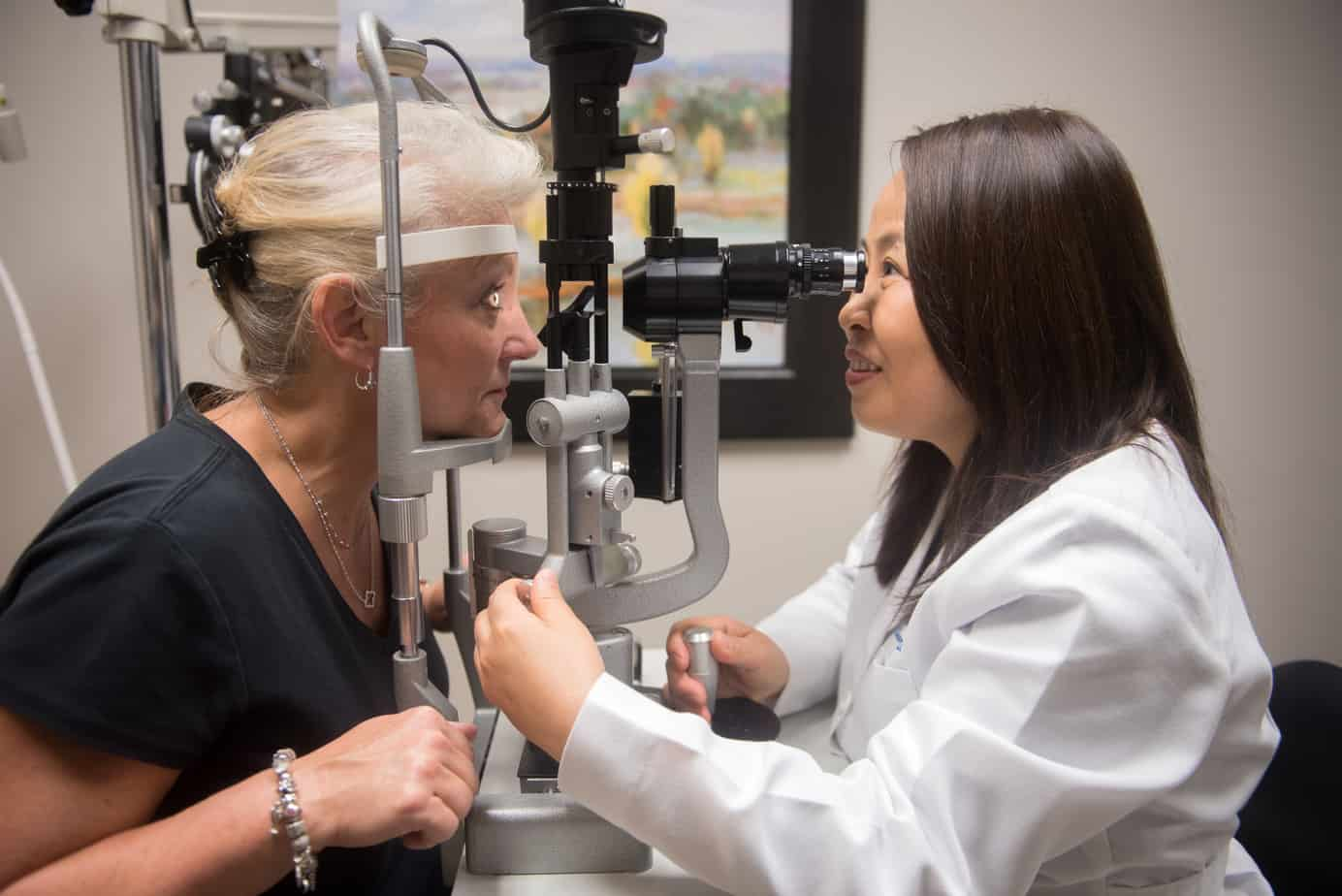
The doctor examines the front and back of your eyes using specialized equipment.
They check:
- Lens condition
- Retina health
- Cornea
- Eye pressure
- Optic nerve
This ensures there are no other eye conditions affecting your vision.
4. Eye Measurements
Special machines measure your eye.
These measurements help calculate the correct power of the artificial lens that will replace your cloudy natural lens.
Accurate measurements are extremely important for achieving clear vision after surgery.
5. Discussion About Lens Options
One of the biggest decisions during your consultation involves choosing your intraocular lens (IOL).
Common options include:
Monofocal Lens
Provides clear vision at one distance, usually far away. Reading glasses may still be needed.
Multifocal Lens
Offers improved vision at multiple distances, reducing the need for glasses.
Toric Lens
Designed for people with astigmatism and helps improve overall vision quality.
Your doctor will explain which option best matches your lifestyle and budget.
Questions You Should Ask During Your Consultation
Don’t hesitate to ask questions.
Some helpful questions include:
- Am I ready for cataract surgery?
- Which lens is best for me?
- How long will recovery take?
- Will I still need glasses?
- What are the possible risks?
- How successful is the surgery?
- How should I prepare?
Understanding the answers can make you feel more comfortable before surgery.
How to Prepare for Your Cataract Surgery Consultation
Preparing in advance helps your appointment go smoothly.
Before your consultation:
- Bring your current glasses.
- Bring a list of medications.
- Write down your questions.
- Bring your medical records if requested.
- Arrange transportation if your eyes will be dilated.
- Inform your doctor about previous eye problems.
Since eye drops may be used to dilate your pupils, your vision may remain blurry for several hours afterward.
What Happens After the Consultation?
If cataract surgery is recommended, your doctor will schedule your procedure.
You may receive instructions such as:
- Stop certain medications if advised.
- Use prescribed eye drops.
- Avoid eating before surgery if instructed.
- Arrange for someone to drive you home.
- Follow all pre-surgery guidelines carefully.
Following these instructions helps ensure a smooth surgery and recovery.
What Happens During Cataract Surgery?
Cataract surgery is one of the safest and most commonly performed procedures in the world.
During surgery:
- The eye is numbed with drops.
- A tiny incision is made.
- The cloudy lens is removed.
- A clear artificial lens is inserted.
- No stitches are needed in most cases.
The procedure usually takes around 15 to 30 minutes.
Most patients return home the same day.
Recovery After Cataract Surgery
Recovery is usually quick.
Many patients notice better vision within a few days.
Your doctor may recommend:
- Using prescription eye drops
- Wearing an eye shield while sleeping
- Avoiding heavy lifting
- Keeping water out of the eye
- Avoiding rubbing your eye
- Attending follow-up appointments
Complete healing usually takes several weeks.
Benefits of Cataract Surgery
Millions of people enjoy clearer vision after cataract surgery.
Benefits include:
- Sharper vision
- Brighter colors
- Improved night driving
- Better reading ability
- Increased independence
- Improved quality of life
- Reduced need for stronger glasses
Many patients say they wish they had surgery sooner because of the dramatic improvement in their daily lives.
Are There Any Risks?
Like any surgery, cataract surgery has some risks, although serious complications are rare.
Possible risks include:
- Infection
- Swelling
- Bleeding
- Dry eyes
- Increased eye pressure
- Retinal detachment (rare)
- Temporary blurry vision
Choosing an experienced eye surgeon and following post-operative instructions greatly reduces these risks.
Conclusion
A cataract surgery consultation is the foundation of successful cataract treatment. It gives your eye doctor the opportunity to evaluate your vision, understand your health, recommend the most suitable lens, and answer any questions you may have.
By attending your consultation well prepared, you can feel more confident about the surgery and know exactly what to expect throughout the process. Cataract surgery has helped millions of people regain clear vision and improve their quality of life. With the right consultation and expert care, you can take an important step toward seeing the world more clearly again.
Frequently Asked Questions (FAQs)
1. How long does a cataract surgery consultation take?
A cataract surgery consultation usually lasts between 45 and 90 minutes, depending on the tests required and the discussion with your eye doctor.
2. Is a cataract surgery consultation painful?
No. Most tests are completely painless. You may receive dilating eye drops, which can cause temporary blurry vision and light sensitivity, but they are not painful.
3. Do I need surgery immediately after my consultation?
Not always. Your doctor will recommend surgery only when cataracts are significantly affecting your daily activities and quality of life.
4. Can I drive home after my cataract surgery consultation?
Because your pupils may be dilated during the examination, your vision may be blurry for several hours. It is often recommended to have someone drive you home.
5. What should I bring to my cataract surgery consultation?
Bring your current glasses, a list of medications, medical history, insurance information if needed, and a list of questions you want to ask your eye doctor.