


Introduction
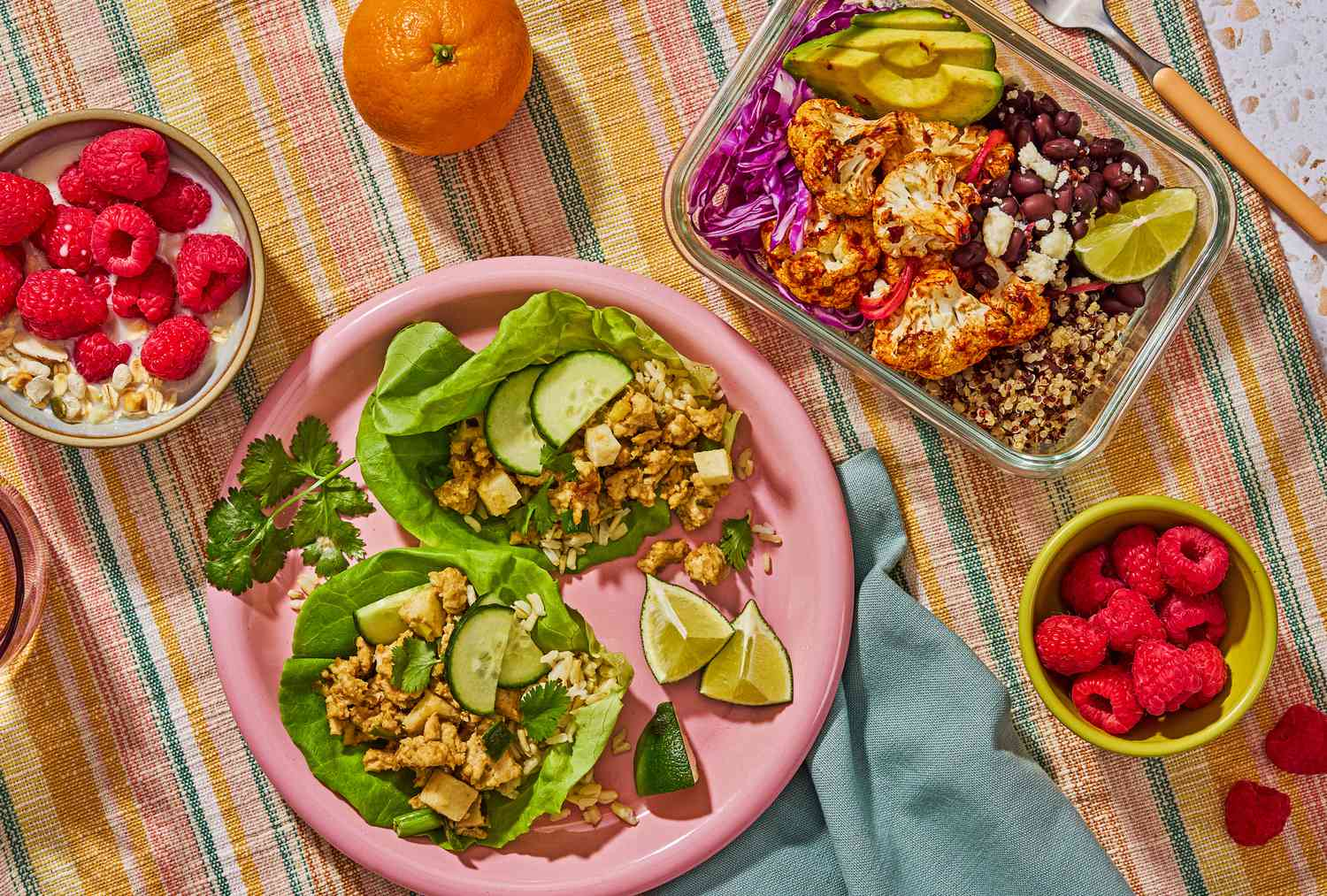
Many people want to lose weight, but they often choose quick diets that promise fast results. While these diets may help you lose a few pounds, the weight usually comes back because they are difficult to follow. The best way to achieve healthy and long-lasting weight loss is by following a weight loss nutrition program.
- Introduction
- What Is a Weight Loss Nutrition Program?
- Why Nutrition Matters for Weight Loss
- Key Parts of a Healthy Weight Loss Nutrition Program
- 1. Eat More Protein
- 2. Choose Healthy Carbohydrates
- 3. Include Healthy Fats
- 4. Eat Plenty of Vegetables
- 5. Drink Enough Water
- Foods to Include in Your Nutrition Program
- Foods to Limit
- Portion Control Is Important
- Sample Daily Meal Plan
- Healthy Habits That Support Weight Loss
- Common Mistakes to Avoid
- Benefits of Following a Weight Loss Nutrition Program
- Conclusion
- Frequently Asked Questions (FAQs)
A weight loss nutrition program is not about starving yourself or avoiding all your favorite foods. Instead, it teaches you how to eat healthy, control your portions, and make better food choices every day. It helps your body get the nutrients it needs while creating a calorie balance that supports weight loss.
In this article, you will learn what a weight loss nutrition program is, why it is important, what foods to eat, what foods to avoid, and how to create a healthy eating routine that you can follow for life.
What Is a Weight Loss Nutrition Program?
A weight loss nutrition program is a healthy eating plan designed to help people lose excess body weight while improving their overall health. The goal is to provide the body with enough vitamins, minerals, protein, healthy fats, and carbohydrates while reducing unnecessary calories.
Unlike crash diets, a nutrition program focuses on long-term habits instead of short-term results. It encourages balanced meals, regular eating times, proper hydration, and healthy lifestyle choices.
A good nutrition program can be adjusted according to your age, body weight, activity level, and health goals.
Why Nutrition Matters for Weight Loss
Exercise is important, but nutrition plays the biggest role in losing weight. Many health experts believe that healthy eating contributes more to weight loss than exercise alone.
When you eat more calories than your body needs, the extra calories are stored as fat. When you eat fewer calories while still getting enough nutrients, your body begins using stored fat for energy.
Healthy nutrition also helps by:
- Controlling hunger
- Boosting metabolism
- Improving digestion
- Increasing energy levels
- Supporting muscle growth
- Reducing unhealthy cravings
- Improving overall health
Eating nutritious foods makes it easier to stay full for longer and avoid overeating.
Key Parts of a Healthy Weight Loss Nutrition Program
1. Eat More Protein
Protein is one of the most important nutrients for weight loss. It helps build muscles and keeps you feeling full for longer periods.
Good sources of protein include:
- Chicken breast
- Fish
- Eggs
- Greek yogurt
- Lentils
- Beans
- Tofu
- Low-fat cottage cheese
Adding protein to every meal can reduce unnecessary snacking.
2. Choose Healthy Carbohydrates
Carbohydrates provide energy, but choosing the right ones is important.
Healthy carbohydrates include:
- Brown rice
- Oats
- Whole wheat bread
- Sweet potatoes
- Quinoa
- Fruits
- Vegetables
Avoid processed carbohydrates such as white bread, pastries, sugary cereals, and candy.
3. Include Healthy Fats
Healthy fats support brain function and help your body absorb vitamins.
Healthy fat sources include:
- Avocados
- Olive oil
- Nuts
- Seeds
- Fatty fish
- Peanut butter in moderation
Healthy fats should be eaten in reasonable portions because they are high in calories.
4. Eat Plenty of Vegetables
Vegetables are low in calories and rich in vitamins, minerals, and fiber.
Examples include:
- Spinach
- Broccoli
- Carrots
- Cucumbers
- Tomatoes
- Bell peppers
- Cauliflower
Try to fill half your plate with vegetables during lunch and dinner.
5. Drink Enough Water
Water is often overlooked during weight loss.
Drinking enough water helps:
- Reduce hunger
- Improve digestion
- Support metabolism
- Prevent dehydration
- Replace sugary drinks
Aim for around 8 to 10 glasses of water each day, depending on your activity level and climate.
Foods to Include in Your Nutrition Program
A successful weight loss nutrition program includes a variety of healthy foods.
Some excellent choices are:
- Fresh fruits
- Leafy green vegetables
- Whole grains
- Lean meats
- Fish
- Eggs
- Low-fat dairy products
- Beans
- Lentils
- Nuts
- Seeds
- Healthy oils
Eating colorful foods provides different vitamins and minerals that support your overall health.
Foods to Limit
Some foods can slow down your weight loss progress if eaten too often.
Try to limit:
- Sugary drinks
- Soft drinks
- Fast food
- Fried foods
- Chips
- Cakes
- Cookies
- Candy
- Ice cream
- White bread
- Processed snacks
You do not have to avoid these foods forever. Enjoy them occasionally while focusing on healthy meals most of the time.
Portion Control Is Important
Even healthy foods can cause weight gain if you eat too much.
Simple portion control tips include:
- Use smaller plates.
- Eat slowly.
- Stop eating when you feel satisfied.
- Avoid eating directly from large packages.
- Measure serving sizes when possible.
Learning portion control helps prevent overeating without feeling deprived.
Sample Daily Meal Plan
Here is an example of a simple weight loss nutrition plan.
Breakfast
- Oatmeal with fresh berries
- One boiled egg
- A glass of water
Morning Snack
- One apple
- A handful of almonds
Lunch
- Grilled chicken breast
- Brown rice
- Mixed vegetables
- Water
Afternoon Snack
- Greek yogurt
Dinner
- Baked fish
- Steamed broccoli
- Sweet potato
Evening Snack
- Herbal tea or cucumber slices if hungry
This meal plan provides balanced nutrition while supporting healthy weight loss.
Healthy Habits That Support Weight Loss
Nutrition works even better when combined with healthy habits.
Helpful habits include:
- Walking every day
- Strength training two or three times each week
- Sleeping 7 to 9 hours every night
- Managing stress
- Eating meals at regular times
- Preparing healthy meals in advance
Small daily habits often lead to big long-term results.
Common Mistakes to Avoid
Many people make mistakes that slow their progress.
Some common mistakes include:
Skipping meals can make you extremely hungry later and lead to overeating.
Drinking sugary beverages adds many extra calories without making you feel full.
Following extreme diets may cause rapid weight loss, but they are difficult to maintain.
Ignoring protein can leave you feeling hungry throughout the day.
Not drinking enough water may increase hunger and reduce energy.
Expecting instant results often leads to frustration. Healthy weight loss takes time and consistency.
Benefits of Following a Weight Loss Nutrition Program
A balanced nutrition program offers many benefits beyond losing weight.
These include:
- Better heart health
- Improved blood sugar control
- Higher energy levels
- Better digestion
- Stronger muscles
- Improved confidence
- Better sleep
- Healthier skin
- Lower risk of chronic diseases
- Easier weight maintenance
Healthy eating is an investment in your future health.
Conclusion
A weight loss nutrition program is one of the safest and most effective ways to lose weight and improve your health. Instead of following strict diets that are impossible to maintain, focus on building healthy eating habits that fit your lifestyle.
Choose nutritious foods, eat balanced meals, drink enough water, stay active, and be patient with your progress. Remember that successful weight loss is not about perfection. It is about making healthier choices every day.
By following a well-balanced nutrition program, you can achieve your weight loss goals while feeling healthier, stronger, and more energetic for years to come.
Frequently Asked Questions (FAQs)
1. What is the best weight loss nutrition program?
The best program is one that includes balanced meals, lean protein, whole grains, fruits, vegetables, healthy fats, and proper portion control. It should be easy to follow and fit your lifestyle.
2. Can I lose weight without exercising?
Yes. Healthy nutrition is the biggest factor in weight loss. However, combining healthy eating with regular exercise usually gives better and faster results.
3. How much water should I drink for weight loss?
Most adults should aim for about 8 to 10 glasses of water daily. Your needs may increase if you exercise frequently or live in a hot climate.
4. Are carbohydrates bad for weight loss?
No. Healthy carbohydrates like oats, brown rice, fruits, and vegetables provide energy and nutrients. The key is choosing whole-food carbohydrates and controlling portions.
5. How long does it take to see results from a weight loss nutrition program?
Most people notice changes within a few weeks when they consistently follow a healthy eating plan. Safe and sustainable weight loss is usually about 1–2 pounds (0.5–1 kg) per week.