

Introduction
Many people struggle with poor sleep without realizing that a medical condition may be the cause. They may wake up feeling tired, experience loud snoring, or even stop breathing for short periods during sleep. One of the most common treatments for this condition is Continuous Positive Airway Pressure (CPAP) therapy. Before starting treatment, however, patients usually need a CPAP therapy consultation.
- Introduction
- What Is CPAP Therapy?
- What Is a CPAP Therapy Consultation?
- Why Is a CPAP Therapy Consultation Important?
- What Happens During a CPAP Therapy Consultation?
- Review of Medical History
- Discussion of Sleep Study Results
- Choosing the Right CPAP Mask
- Machine Demonstration
- Questions and Answers
- Benefits of CPAP Therapy
- Common Challenges and Solutions
- How to Prepare for Your Consultation
- Tips for Successful CPAP Therapy
- Who Needs a CPAP Therapy Consultation?
- Conclusion
- Frequently Asked Questions (FAQs)
A CPAP therapy consultation is an important appointment where a healthcare professional explains your sleep condition, recommends the right treatment, and helps you understand how to use a CPAP machine correctly. This consultation gives patients the knowledge and confidence they need to improve their sleep and overall health.
In this article, you will learn what a CPAP therapy consultation is, why it matters, what happens during the appointment, its benefits, and how to prepare for your visit.
What Is CPAP Therapy?
CPAP stands for Continuous Positive Airway Pressure. It is a treatment mainly used for people with obstructive sleep apnea (OSA). Sleep apnea is a condition where the airway becomes blocked during sleep, causing breathing to stop for a few seconds or even longer.
A CPAP machine gently pushes air through a mask worn over the nose or mouth. This steady airflow keeps the airway open throughout the night, allowing the person to breathe normally while sleeping.
Using CPAP therapy regularly can improve sleep quality and reduce many health risks linked to untreated sleep apnea.
What Is a CPAP Therapy Consultation?
A CPAP therapy consultation is a meeting with a sleep specialist, respiratory therapist, or another trained healthcare provider. During this appointment, they review your sleep study results, discuss your symptoms, explain your diagnosis, and recommend the best CPAP equipment for your needs.
The consultation is also your chance to ask questions and learn how to use your CPAP machine safely and comfortably. Many first-time users feel nervous about wearing a mask while sleeping. A consultation helps remove these concerns by providing clear instructions and practical advice.
Why Is a CPAP Therapy Consultation Important?
Many people think that simply buying a CPAP machine is enough. In reality, successful treatment depends on proper guidance.
A consultation helps you:
- Understand your sleep apnea diagnosis.
- Learn how CPAP therapy works.
- Choose the correct mask size and style.
- Adjust machine settings if needed.
- Prevent common problems like air leaks or dry mouth.
- Improve comfort and long-term use.
People who receive professional guidance are often more successful with CPAP therapy than those who try to figure everything out on their own.
What Happens During a CPAP Therapy Consultation?
A CPAP consultation usually includes several important steps.
Review of Medical History
Your healthcare provider will ask about your medical history, sleep habits, and symptoms. They may ask questions such as:
- Do you snore loudly?
- Do you wake up feeling tired?
- Do you experience headaches in the morning?
- Do you feel sleepy during the day?
These questions help them better understand your condition.
Discussion of Sleep Study Results
If you have completed a sleep study, your provider will explain the results. They will show how often your breathing stopped during sleep and how severe your sleep apnea is.
Understanding these results helps you see why treatment is necessary.
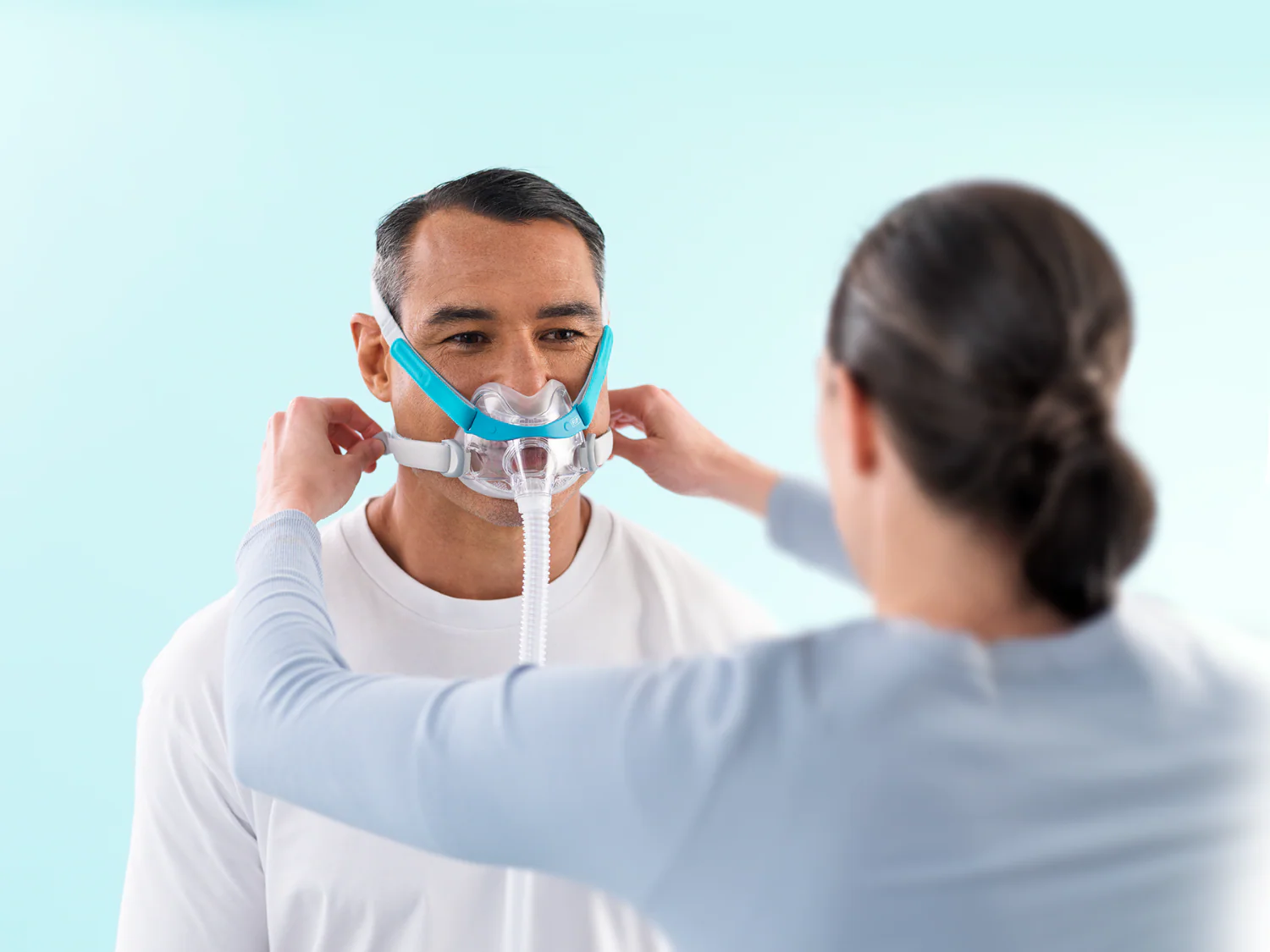
Choosing the Right CPAP Mask
Not every mask works for every patient.
During the consultation, you may try different mask types, including:
- Nasal masks
- Nasal pillow masks
- Full-face masks
The goal is to find a mask that feels comfortable and fits properly without leaking air.
Machine Demonstration
Your provider will show you how to:
- Turn the machine on and off.
- Wear the mask correctly.
- Adjust the straps.
- Fill the humidifier if included.
- Clean and maintain the equipment.
Learning these steps early makes using CPAP much easier.
Questions and Answers
The consultation is also the perfect time to ask questions about treatment, comfort, travel, maintenance, or insurance coverage.
No question is too small when it comes to improving your sleep.
Benefits of CPAP Therapy
When used regularly, CPAP therapy offers many health benefits.
Better Sleep Quality
Because your airway stays open during sleep, you experience fewer breathing interruptions. This allows your body to complete natural sleep cycles.
Increased Energy
Many people notice they have more energy during the day after only a few weeks of regular CPAP use.
Reduced Snoring
CPAP therapy significantly reduces or even eliminates loud snoring, improving sleep for both you and your partner.
Improved Heart Health
Untreated sleep apnea can increase the risk of high blood pressure, heart disease, and stroke. CPAP therapy may help lower these risks by improving oxygen levels during sleep.
Better Focus
Quality sleep improves memory, concentration, and overall mental performance. Many patients find it easier to focus at work or school after starting CPAP therapy.
Common Challenges and Solutions
Starting CPAP therapy can take some adjustment. Fortunately, most problems have simple solutions.
Mask Discomfort
If your mask feels uncomfortable, try a different size or style. Your provider can help you find a better fit.
Dry Nose or Mouth
Using a heated humidifier often reduces dryness and makes breathing more comfortable.
Air Leaks
Properly adjusting the mask straps usually solves air leakage. A consultation can help identify the correct fit.
Feeling Claustrophobic
Practice wearing the mask while watching TV or reading before bedtime. This helps your body become comfortable with it gradually.
Removing the Mask During Sleep
This is common during the first few weeks. Most users naturally adjust over time with regular practice.
How to Prepare for Your Consultation
Preparing for your appointment helps you get the most value from your visit.
Before your consultation:
- Bring your sleep study results if available.
- Make a list of your symptoms.
- Write down any medications you take.
- Prepare questions about CPAP therapy.
- Bring your current CPAP machine if you already own one.
- Tell your provider about any allergies or breathing problems.
Being prepared allows the consultation to focus on finding the best treatment plan for you.
Tips for Successful CPAP Therapy
Following a few simple habits can improve your experience.
- Use your CPAP machine every night.
- Clean your mask and tubing regularly.
- Replace worn parts when recommended.
- Follow your healthcare provider’s instructions.
- Attend follow-up appointments.
- Report any problems instead of stopping treatment.
Consistency is one of the biggest factors in successful CPAP therapy.
Who Needs a CPAP Therapy Consultation?
A CPAP therapy consultation is recommended for:
- People diagnosed with obstructive sleep apnea.
- First-time CPAP users.
- Patients having difficulty using their machine.
- Individuals experiencing mask discomfort.
- People whose symptoms continue despite treatment.
- Anyone needing replacement equipment or updated machine settings.
Even experienced CPAP users can benefit from occasional consultations to improve comfort and treatment effectiveness.
Conclusion
A CPAP therapy consultation is the first step toward better sleep and better health. It helps patients understand their condition, choose the right equipment, and learn how to use CPAP therapy correctly. With professional guidance, many common challenges become much easier to manage.
Although it may take a little time to adjust to sleeping with a CPAP machine, the long-term benefits are worth the effort. Better sleep, increased energy, improved concentration, reduced snoring, and lower health risks can all make a positive difference in daily life.
If you have been diagnosed with sleep apnea or think you may have symptoms, scheduling a CPAP therapy consultation can help you begin your journey toward healthier and more restful sleep.
Frequently Asked Questions (FAQs)
1. What is the purpose of a CPAP therapy consultation?
A CPAP therapy consultation helps patients understand their sleep apnea diagnosis, choose the right CPAP equipment, learn how to use the machine properly, and solve common problems before beginning treatment.
2. How long does a CPAP therapy consultation take?
Most consultations last between 30 and 60 minutes, depending on your medical history, the type of equipment being discussed, and the number of questions you have.
3. Do I need a sleep study before getting a CPAP machine?
In most cases, yes. A sleep study helps healthcare providers diagnose sleep apnea and determine the correct pressure settings for effective CPAP therapy.
4. How soon will I notice improvements after starting CPAP therapy?
Many people begin sleeping better within a few days, while others may need several weeks to adjust. Regular nightly use usually leads to the best results.
5. Can I travel with my CPAP machine?
Yes. Most CPAP machines are lightweight and designed for travel. Many also come with carrying cases, making them easy to take on trips by car or airplane.