


Introduction
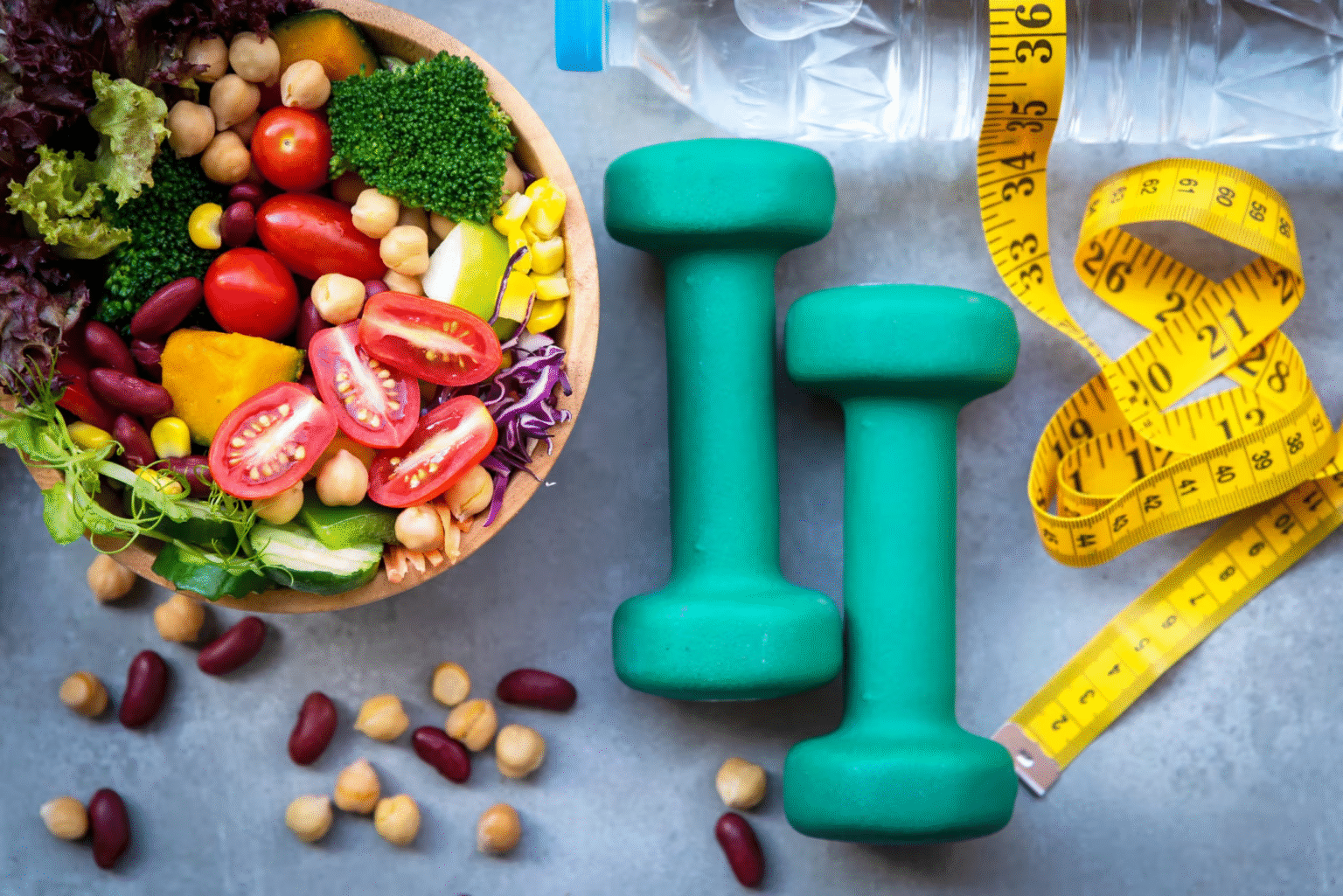
Good nutrition and healthy weight management are important for everyone. They help you feel better, stay active, and reduce the risk of many diseases. Many people think losing weight means eating less or following strict diets. However, true weight management is about eating the right foods, staying active, and building healthy habits that last for life.
- Introduction
- What Is Nutrition?
- What Is Weight Management?
- Why Nutrition and Weight Management Are Important
- Best Foods for Healthy Weight Management
- Foods to Limit
- The Importance of Portion Control
- Staying Active Supports Weight Management
- Drink Plenty of Water
- Healthy Habits for Long-Term Success
- Common Weight Loss Mistakes
- The Role of Mental Health
- Tips for Families
- Conclusion
Nutrition is the fuel your body needs every day. Just like a car needs good-quality fuel to run smoothly, your body needs healthy foods to work properly. Weight management is not only about losing weight. It also means maintaining a healthy weight that supports your body and overall well-being.
In this article, you will learn what nutrition and weight management mean, why they matter, and how simple daily habits can improve your health.
What Is Nutrition?
Nutrition is the process of getting the nutrients your body needs from food. These nutrients help your body grow, repair itself, produce energy, and protect you from illness.
The main nutrients include:
- Carbohydrates: Your body’s main source of energy.
- Proteins: Help build muscles and repair body tissues.
- Healthy Fats: Support brain health and provide long-lasting energy.
- Vitamins: Keep your immune system strong and help your body function properly.
- Minerals: Important for healthy bones, muscles, and organs.
- Water: Keeps your body hydrated and helps every organ work efficiently.
Eating a variety of healthy foods ensures your body gets all these important nutrients.
What Is Weight Management?
Weight management means keeping your body weight at a healthy level. This can involve losing weight, gaining weight, or maintaining your current weight depending on your health goals.
Healthy weight management is not about quick fixes or crash diets. Instead, it focuses on making smart food choices, exercising regularly, sleeping well, and managing stress.
When you balance the calories you eat with the calories you burn through daily activities, your weight becomes easier to manage.
Why Nutrition and Weight Management Are Important
Good nutrition and healthy weight management offer many benefits. They improve both physical and mental health.
Some important benefits include:
- More energy throughout the day
- Better heart health
- Stronger bones and muscles
- Lower risk of diabetes
- Improved digestion
- Better sleep quality
- Increased confidence
- Stronger immune system
- Reduced risk of obesity
- Longer and healthier life
Healthy habits today can prevent many health problems in the future.
Best Foods for Healthy Weight Management
Choosing healthy foods does not mean giving up delicious meals. Many nutritious foods are both tasty and satisfying.
Fruits and Vegetables
These are rich in vitamins, minerals, and fiber while being low in calories. They help keep you full and improve digestion.
Examples include:
- Apples
- Bananas
- Oranges
- Berries
- Carrots
- Spinach
- Broccoli
- Cucumbers
Aim to fill half your plate with fruits and vegetables.
Whole Grains
Whole grains provide energy and fiber that keeps you full longer.
Good choices include:
- Brown rice
- Oats
- Whole wheat bread
- Whole grain pasta
- Quinoa
Lean Protein
Protein helps build muscles and reduces hunger.
Healthy protein sources include:
- Chicken breast
- Fish
- Eggs
- Beans
- Lentils
- Tofu
- Greek yogurt
Healthy Fats
Healthy fats support brain function and heart health.
Choose:
- Avocados
- Nuts
- Seeds
- Olive oil
- Fatty fish like salmon
Eat healthy fats in moderate amounts because they are high in calories.
Foods to Limit
Some foods contain high amounts of sugar, unhealthy fats, and empty calories.
Try to reduce:
- Sugary drinks
- Candy
- Cakes
- Cookies
- Fast food
- Fried foods
- Potato chips
- Processed snacks
You do not have to avoid these foods completely. Enjoy them occasionally while focusing mainly on nutritious meals.
The Importance of Portion Control
Even healthy foods can lead to weight gain if eaten in very large amounts.
Simple ways to control portions include:
- Use smaller plates.
- Eat slowly.
- Stop eating when comfortably full.
- Avoid eating while watching television.
- Read food labels carefully.
Small changes in portion size can make a big difference over time.
Staying Active Supports Weight Management
Exercise works together with healthy eating to maintain a healthy weight.
Physical activity helps:
- Burn calories
- Strengthen muscles
- Improve heart health
- Reduce stress
- Boost mood
- Increase energy
Adults should aim for at least 150 minutes of moderate exercise each week.
Easy activities include:
- Walking
- Cycling
- Swimming
- Dancing
- Gardening
- Yoga
Find activities you enjoy so staying active becomes part of your lifestyle.
Drink Plenty of Water
Water is often forgotten but is essential for good health.
Drinking enough water helps:
- Control hunger
- Improve digestion
- Increase energy
- Prevent dehydration
- Support healthy skin
Many people confuse thirst with hunger. Drinking a glass of water before meals may help prevent overeating.
Try replacing sugary drinks with water whenever possible.
Healthy Habits for Long-Term Success
Healthy weight management is about building habits that last.
Some simple daily habits include:
- Eat breakfast every morning.
- Include vegetables in every meal.
- Plan meals ahead of time.
- Sleep 7 to 9 hours each night.
- Manage stress through relaxation techniques.
- Avoid skipping meals.
- Keep healthy snacks available.
- Limit late-night eating.
Small improvements each day often lead to lasting results.
Common Weight Loss Mistakes
Many people struggle because they follow unhealthy methods.
Avoid these common mistakes:
Skipping Meals
Skipping meals can slow your metabolism and increase hunger later.
Following Crash Diets
Very low-calorie diets often lead to quick weight gain after stopping them.
Drinking Sugary Beverages
Soft drinks and sweet juices contain many hidden calories.
Ignoring Sleep
Poor sleep affects hormones that control hunger and appetite.
Expecting Fast Results
Healthy weight loss takes time. Losing about 1 to 2 pounds per week is considered safe for most people.
The Role of Mental Health
Mental health also affects nutrition and weight management.
Stress, anxiety, boredom, and sadness can lead to emotional eating.
Healthy ways to manage emotions include:
- Talking with friends
- Taking walks
- Reading books
- Practicing meditation
- Listening to music
- Exercising regularly
Taking care of your mind is just as important as taking care of your body.
Tips for Families
Healthy habits are easier when the whole family participates.
Families can:
- Cook meals together.
- Eat dinner at the table.
- Limit sugary snacks at home.
- Encourage outdoor activities.
- Teach children about healthy food choices.
Good habits learned during childhood often continue into adulthood.
Conclusion
Nutrition and weight management are not about perfection. They are about making healthier choices every day. Eating balanced meals, drinking enough water, staying physically active, getting enough sleep, and practicing portion control all work together to improve your health.
There is no magic diet that works for everyone. The best approach is to build simple habits that fit your lifestyle and can be maintained for years. Even small changes, such as eating more vegetables or walking for 30 minutes each day, can make a big difference over time.
Remember, good health is a journey, not a race. Stay consistent, be patient, and celebrate every positive step toward a healthier and happier life.
Frequently Asked Questions (FAQs)
1. What is the best diet for weight management?
The best diet is one that includes balanced meals with fruits, vegetables, whole grains, lean proteins, and healthy fats. It should be easy to follow and fit your daily lifestyle.
2. How much water should I drink every day?
Most adults should drink around 8 to 10 glasses of water daily, although individual needs may vary based on activity level, climate, and overall health.
3. Can I lose weight without exercising?
Yes, healthy eating plays a major role in weight loss. However, regular exercise helps burn calories, improves fitness, and makes it easier to maintain weight over the long term.
4. How often should I eat to manage my weight?
There is no perfect schedule for everyone. Many people do well with three balanced meals and one or two healthy snacks each day while paying attention to hunger and fullness.
5. Why is sleep important for weight management?
Getting enough sleep helps regulate the hormones that control hunger and appetite. Poor sleep can increase cravings and make it harder to maintain a healthy weight.