


Introduction
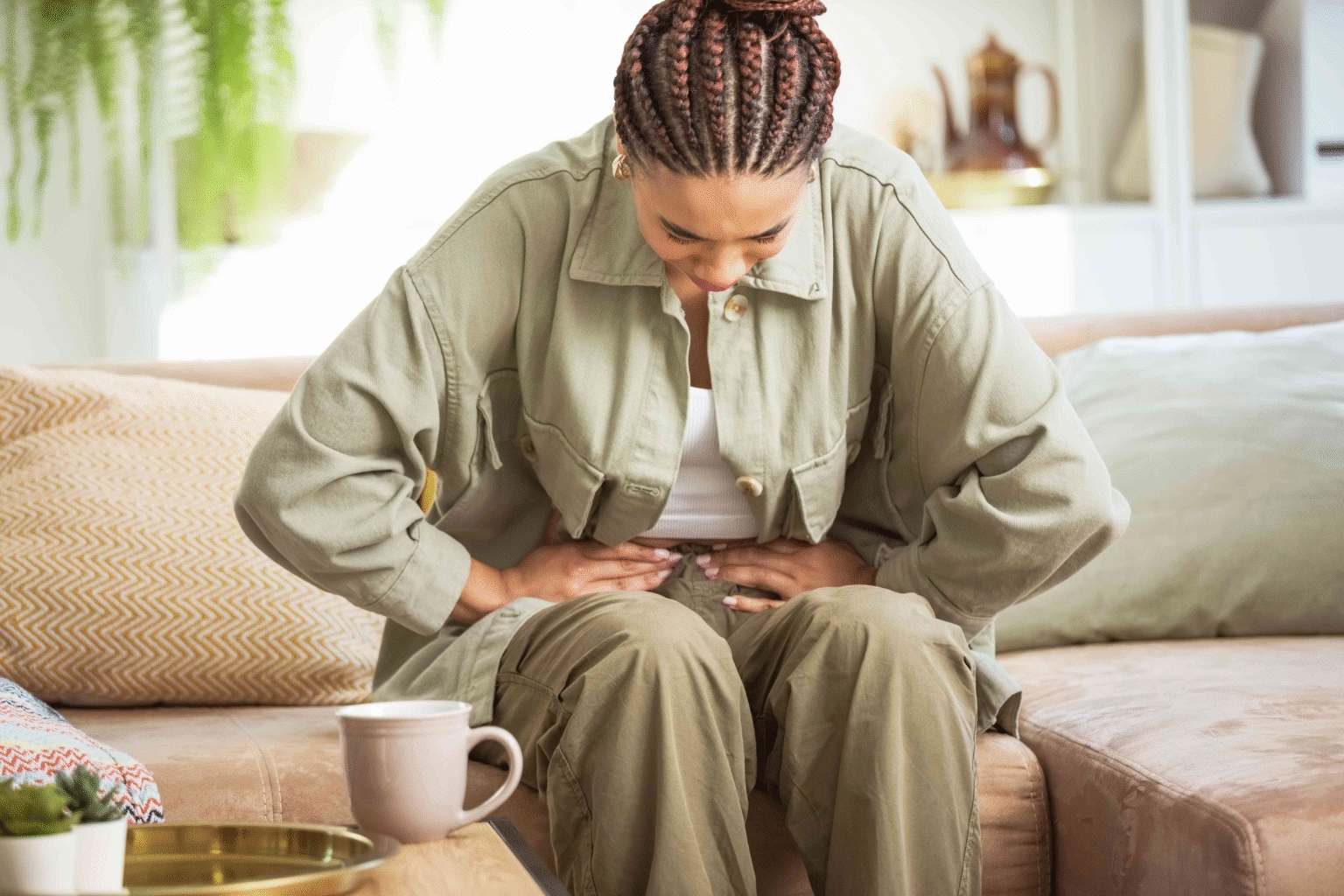
Living with irritable bowel syndrome (IBS) can be frustrating. One day you feel fine, and the next day you may struggle with stomach pain, bloating, diarrhea, constipation, or a mix of these problems. These symptoms can affect your work, social life, and overall happiness. The good news is that there are many effective irritable bowel syndrome treatment options that can help you manage your symptoms and improve your quality of life.
- Introduction
- 1. Sensitive Digestive System
- 2. Muscle Contractions
- 3. Stress and Anxiety
- 4. Food Intolerance
- 5. Gut Bacteria
- 1. Healthy Diet Changes
- 2. Try a Low FODMAP Diet
- 3. Increase Fiber Carefully
- 4. Stay Hydrated
- 5. Regular Exercise
- 6. Stress Management
- 7. Medications
- 8. Probiotics
- 9. Psychological Therapy
- 1. What is the best treatment for irritable bowel syndrome?
- 2. Can IBS go away on its own?
- 3. What foods should people with IBS avoid?
- 4. Is stress responsible for IBS?
- 5. Can probiotics help treat IBS?
IBS is a common digestive condition that affects millions of people around the world. Although it does not permanently damage the intestines or increase the risk of colon cancer, it can make everyday life uncomfortable. Every person experiences IBS differently, so treatment often needs to be personalized.
In this article, you will learn what IBS is, its common causes, symptoms, treatment options, lifestyle changes, and practical tips for long-term relief.
What Is Irritable Bowel Syndrome?
Irritable bowel syndrome (IBS) is a long-term disorder that affects the large intestine. It changes how the digestive system works, causing repeated stomach discomfort and changes in bowel habits.
Some people mainly experience diarrhea (IBS-D), while others suffer from constipation (IBS-C). Some individuals have both diarrhea and constipation at different times. This type is known as mixed IBS (IBS-M).
Although IBS is a chronic condition, proper treatment can help control symptoms and allow people to live healthy, active lives.
Common Symptoms of IBS
The symptoms of IBS can range from mild to severe. They often come and go over time.
The most common symptoms include:
- Abdominal pain or cramping
- Bloating
- Excess gas
- Diarrhea
- Constipation
- Alternating diarrhea and constipation
- Feeling that the bowel is not completely empty
- Mucus in the stool
- Stomach discomfort after eating
Many people notice that stress, certain foods, or hormonal changes can make symptoms worse.
What Causes IBS?
Doctors still do not know the exact cause of IBS. However, several factors may contribute to the condition.
1. Sensitive Digestive System
Some people have intestines that react more strongly than normal to food, stress, or gas.
2. Muscle Contractions
The muscles in the intestines move food through the digestive tract. Strong or weak contractions can cause diarrhea or constipation.
3. Stress and Anxiety
Mental health plays an important role in digestion. Emotional stress can trigger IBS symptoms in many people.
4. Food Intolerance
Certain foods may irritate the digestive system and trigger symptoms.
5. Gut Bacteria
Changes in the balance of healthy bacteria inside the intestines may also contribute to IBS.
Irritable Bowel Syndrome Treatment Options
There is no single cure for IBS, but many treatments can reduce symptoms and improve daily life.
1. Healthy Diet Changes
Diet is one of the most effective treatments for IBS.
Many people find relief by avoiding foods that trigger symptoms.
Common trigger foods include:
- Fried foods
- Fatty meals
- Spicy foods
- Carbonated drinks
- Alcohol
- Caffeine
- Artificial sweeteners
Instead, choose foods that are easier to digest, such as:
- Rice
- Oatmeal
- Bananas
- Carrots
- Potatoes
- Chicken
- Fish
- Yogurt (if tolerated)
Keeping a food diary can help identify personal triggers.
2. Try a Low FODMAP Diet
Many doctors recommend a Low FODMAP diet for IBS patients.
FODMAPs are certain carbohydrates that can be difficult to digest.
Reducing foods high in FODMAPs may help decrease:
- Gas
- Bloating
- Diarrhea
- Stomach pain
This diet should ideally be followed with guidance from a healthcare professional because it has several stages.
3. Increase Fiber Carefully
Fiber helps many people with constipation.
However, not all fiber works the same way.
Soluble fiber found in foods like oats, apples, and psyllium is often better tolerated than insoluble fiber.
Increase fiber slowly and drink plenty of water to prevent additional bloating.
4. Stay Hydrated
Water supports healthy digestion.
Drink enough water throughout the day, especially if you experience diarrhea.
Try to avoid sugary drinks and excessive caffeine because they may worsen symptoms.
5. Regular Exercise
Physical activity helps improve digestion and reduce stress.
Simple exercises include:
- Walking
- Swimming
- Cycling
- Yoga
- Stretching
Even 30 minutes of exercise most days of the week can help reduce IBS symptoms.
6. Stress Management
Stress is one of the biggest IBS triggers.
Healthy ways to reduce stress include:
- Deep breathing
- Meditation
- Yoga
- Reading
- Listening to music
- Spending time outdoors
Getting enough sleep also helps support digestive health.
7. Medications
Doctors may prescribe medications depending on your symptoms.
These may include:
- Anti-diarrheal medicines
- Laxatives for constipation
- Antispasmodic medicines for stomach cramps
- Fiber supplements
- Probiotics
- Prescription medications designed specifically for IBS
Always take medication only under medical advice.
8. Probiotics
Probiotics are healthy bacteria that may improve gut health.
Some people notice less bloating and improved digestion after taking probiotics regularly.
Different probiotic strains work differently, so results may vary from person to person.
9. Psychological Therapy
Because the brain and digestive system are closely connected, therapy can sometimes improve IBS symptoms.
Helpful approaches include:
- Cognitive Behavioral Therapy (CBT)
- Relaxation therapy
- Mindfulness
- Counseling
These treatments may reduce stress-related digestive symptoms.
Foods That May Help IBS
Choosing the right foods can make a big difference.
Helpful foods include:
- Oatmeal
- White rice
- Eggs
- Lean chicken
- Fish
- Cucumbers
- Carrots
- Spinach
- Blueberries
- Bananas
- Oranges
- Potatoes
- Plain yogurt (if tolerated)
Everyone’s digestive system is different, so it is important to find foods that work best for you.
Foods to Limit or Avoid
Some foods commonly trigger IBS symptoms.
These include:
- Fast food
- Fried food
- Fatty meat
- Spicy meals
- Onions
- Garlic
- Beans
- Cabbage
- Broccoli
- Carbonated beverages
- Coffee
- Alcohol
- Chocolate (for some people)
Not everyone reacts to the same foods, so identifying your own triggers is important.
Daily Habits That Improve IBS
Small daily habits can make a noticeable difference.
Try these simple tips:
- Eat meals at regular times.
- Eat slowly and chew food well.
- Avoid overeating.
- Drink enough water.
- Exercise regularly.
- Sleep 7–9 hours each night.
- Manage stress.
- Keep a symptom journal.
These habits can support better digestion over time.
When Should You See a Doctor?
Although IBS is common, some symptoms require medical attention.
See your healthcare provider if you experience:
- Blood in the stool
- Unexplained weight loss
- Severe abdominal pain
- Persistent vomiting
- Fever
- Difficulty swallowing
- Symptoms that suddenly become much worse
- Symptoms that wake you from sleep regularly
These signs could indicate a condition other than IBS and should be evaluated promptly.
Can IBS Be Cured?
Currently, there is no permanent cure for IBS.
However, many people successfully manage their symptoms through healthy eating, regular exercise, stress reduction, and appropriate medical treatment.
Learning your personal triggers and following a treatment plan can greatly improve your quality of life.
With patience and consistency, many people experience fewer flare-ups and enjoy long periods with minimal symptoms.
Final Thoughts
Finding the right irritable bowel syndrome treatment often takes time because every person responds differently. The most successful approach usually combines healthy eating, regular exercise, stress management, proper hydration, and medical guidance when needed.
Instead of looking for a quick fix, focus on building healthy daily habits that support your digestive system. Keep track of foods that trigger symptoms, stay active, and communicate openly with your healthcare provider. With the right plan, IBS can become much easier to manage, allowing you to live a healthier and more comfortable life.
Frequently Asked Questions (FAQs)
1. What is the best treatment for irritable bowel syndrome?
The best treatment depends on your symptoms. Many people benefit from a combination of dietary changes, regular exercise, stress management, staying hydrated, and medications when prescribed by a healthcare professional.
2. Can IBS go away on its own?
IBS is usually a long-term condition, but symptoms often improve with healthy lifestyle changes and proper treatment. Some people experience long periods with very few or no symptoms.
3. What foods should people with IBS avoid?
Common trigger foods include fried foods, spicy meals, caffeine, alcohol, carbonated drinks, fatty foods, onions, garlic, and certain high-FODMAP foods. Keeping a food diary can help identify your personal triggers.
4. Is stress responsible for IBS?
Stress does not directly cause IBS, but it can make symptoms worse. Learning stress-management techniques such as meditation, deep breathing, yoga, or regular exercise can help reduce flare-ups.
5. Can probiotics help treat IBS?
Some people experience less bloating, gas, and stomach discomfort after taking probiotics. Results vary between individuals, so it is best to discuss probiotic use with a healthcare professional to choose the most suitable option.