

Introduction
When an unexpected illness or injury happens, it can be difficult to know whether you should visit an urgent care center or go directly to the emergency room (ER). Making the right decision not only helps you receive appropriate medical care but can also save you time and reduce healthcare costs.
- Introduction
- Minor Cuts and Wounds
- Fever
- Cold and Flu Symptoms
- Ear Infections
- Minor Burns
- Mild Asthma Symptoms
- Sprains and Minor Fractures
- Urinary Tract Infections (UTIs)
- Skin Rashes and Allergic Reactions
- Vomiting and Diarrhea
- Chest Pain
- Difficulty Breathing
- Stroke Symptoms
- Severe Head Injury
- Heavy Bleeding
- Broken Bones With Deformity
- Severe Burns
- Seizures
- Loss of Consciousness
- Can urgent care treat broken bones?
Urgent care centers are designed to treat non-life-threatening illnesses and injuries that require prompt attention but are not severe enough to need emergency care. Emergency rooms, on the other hand, are equipped to handle life-threatening conditions that require immediate treatment.
Understanding the difference between these two healthcare options can help you make informed decisions when you or a family member becomes sick or injured. This guide explains when to choose urgent care, when to visit the emergency room, and what types of conditions each facility treats.
What Is an Urgent Care Center?
An urgent care center provides medical treatment for illnesses and injuries that need attention within 24 hours but are not considered medical emergencies.
Many urgent care clinics offer:
- Walk-in appointments
- Extended evening hours
- Weekend services
- Basic laboratory testing
- X-rays
- Vaccinations
- Minor medical procedures
Urgent care fills the gap between your primary care physician and the emergency room.
What Is an Emergency Room?
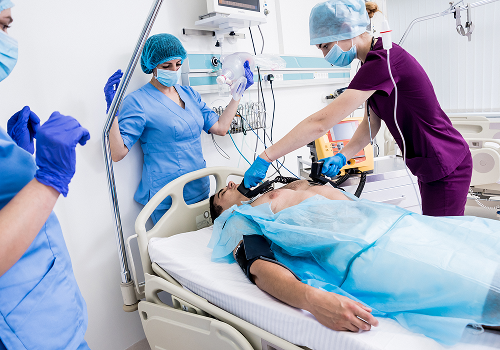
An emergency room (ER) is a hospital department that provides immediate treatment for serious or life-threatening medical emergencies.
Emergency departments operate:
- 24 hours a day
- Seven days a week
- Every holiday
ERs have specialized equipment and healthcare professionals capable of treating critical conditions.
When Should You Choose Urgent Care?
Urgent care is appropriate for illnesses and injuries that require prompt medical attention but are not life-threatening.
Minor Cuts and Wounds
Visit urgent care for:
- Small cuts
- Minor lacerations
- Wounds needing stitches
- Scrapes
- Mild bleeding
However, severe bleeding that cannot be controlled requires emergency care.
Fever
Urgent care can evaluate:
- Mild to moderate fever
- Flu symptoms
- Viral infections
- Bacterial infections
High fever accompanied by confusion, difficulty breathing, or seizures requires emergency treatment.
Cold and Flu Symptoms
Urgent care commonly treats:
- Cough
- Sore throat
- Fever
- Nasal congestion
- Ear pain
- Sinus infections
Early treatment may help prevent complications.
Ear Infections
Symptoms include:
- Ear pain
- Hearing difficulty
- Ear drainage
- Fever
Prompt treatment can reduce discomfort and prevent worsening infections.
Minor Burns
Urgent care can treat:
- Small first-degree burns
- Minor second-degree burns
- Kitchen burns
- Small scald injuries
Large burns or burns involving the face, hands, feet, or genitals require emergency medical attention.
Mild Asthma Symptoms
Patients with mild asthma flare-ups may receive:
- Breathing treatments
- Medication adjustments
- Evaluation of symptoms
Severe breathing difficulty requires emergency care.
Sprains and Minor Fractures
Urgent care centers often provide:
- X-rays
- Splints
- Braces
- Pain management
Severely broken bones with deformity or exposed bone should be treated in the emergency room.
Urinary Tract Infections (UTIs)
Common symptoms include:
- Pain during urination
- Frequent urination
- Burning sensation
- Mild lower abdominal discomfort
Prompt treatment can prevent kidney infections.
Skin Rashes and Allergic Reactions
Urgent care treats:
- Mild allergic reactions
- Skin infections
- Poison ivy
- Eczema flare-ups
- Insect bites
Severe allergic reactions involving breathing problems require emergency treatment.
Vomiting and Diarrhea
Mild dehydration caused by stomach illness can often be treated at urgent care.
Seek emergency care if symptoms become severe or persistent.
Conditions That Require an Emergency Room
Certain medical conditions should never be treated at urgent care.
Go to the emergency room immediately if you experience:
Chest Pain
Chest pain may indicate:
- Heart attack
- Heart disease
- Pulmonary embolism
Do not delay emergency treatment.
Difficulty Breathing
Severe breathing problems may result from:
- Asthma attack
- Heart failure
- Severe infection
- Allergic reaction
Immediate medical care is essential.
Stroke Symptoms
Call emergency services immediately if someone develops:
- Sudden weakness
- Facial drooping
- Slurred speech
- Confusion
- Loss of balance
- Vision changes
Every minute counts during a stroke.
Severe Head Injury
Emergency evaluation is necessary for:
- Loss of consciousness
- Repeated vomiting
- Confusion
- Seizures
- Serious head trauma
Heavy Bleeding
Seek emergency care if bleeding:
- Cannot be controlled
- Soaks through dressings
- Results from a major injury
Broken Bones With Deformity
Go directly to the ER if:
- Bone is visible
- Limb appears deformed
- Severe pain prevents movement
Severe Burns
Emergency treatment is required for:
- Large burns
- Electrical burns
- Chemical burns
- Burns involving the face, hands, feet, or genitals
Seizures
A seizure lasting several minutes or occurring for the first time requires emergency medical evaluation.
Loss of Consciousness
Sudden fainting or unconsciousness may indicate a serious underlying condition.
Immediate emergency care is recommended.
Benefits of Visiting Urgent Care
Urgent care centers offer several advantages.
Shorter Wait Times
Patients with non-emergency conditions are often treated faster than in crowded emergency departments.
Lower Cost
Urgent care visits usually cost significantly less than emergency room visits.
Convenient Hours
Many urgent care clinics remain open during evenings and weekends.
Walk-In Services
Most clinics accept patients without appointments.
Wide Range of Treatments
Urgent care centers commonly provide:
- Physical exams
- Laboratory testing
- Vaccinations
- X-rays
- Minor procedures
- Prescription medications
Preparing for Your Visit
Bring the following if possible:
- Identification
- Insurance information
- Medication list
- Allergy information
- Medical history
- Emergency contact information
Having this information available helps healthcare providers deliver appropriate treatment more efficiently.
How to Decide Where to Go
Ask yourself these questions:
- Is the condition life-threatening?
- Is the person having difficulty breathing?
- Is there severe chest pain?
- Is heavy bleeding present?
- Has there been loss of consciousness?
If the answer to any of these questions is yes, go to the emergency room immediately.
If the illness or injury is uncomfortable but not life-threatening, urgent care is often the appropriate choice.
Preventing Unnecessary Emergency Room Visits
Many illnesses can be managed more effectively by:
- Scheduling regular primary care visits
- Staying up to date on vaccinations
- Managing chronic conditions
- Practicing good hygiene
- Seeking early treatment for minor illnesses
Knowing when to use urgent care helps reduce pressure on emergency departments while ensuring patients receive timely care.
Frequently Asked Questions
Can urgent care treat broken bones?
Yes. Many urgent care centers can diagnose and treat minor fractures using X-rays, splints, and braces. Severe fractures should be treated in an emergency room.
Should I visit urgent care for the flu?
Yes. Urgent care clinics commonly diagnose and treat influenza, COVID-19, sore throats, ear infections, and other common illnesses.
Can urgent care perform blood tests?
Many urgent care centers offer basic laboratory services, including blood tests, urine tests, and rapid diagnostic testing.
Is urgent care less expensive than the emergency room?
In most cases, yes. Urgent care visits generally cost much less than emergency room visits for non-life-threatening conditions.
What if I’m unsure where to go?
If you believe the condition could be life-threatening, it is safest to seek emergency medical care immediately or call your local emergency services.
Conclusion
Understanding the difference between urgent care centers and emergency rooms can help you receive the right treatment at the right time. Urgent care is an excellent option for minor illnesses and injuries such as infections, sprains, small cuts, and mild burns, while emergency rooms are equipped to handle life-threatening conditions like heart attacks, strokes, severe injuries, and major trauma.
Making informed healthcare decisions not only improves patient outcomes but also saves valuable time and resources. When in doubt, always prioritize your safety and seek immediate emergency care if symptoms appear serious or life-threatening.