

Introduction
Heart disease is one of the leading causes of death worldwide, yet many people overlook the warning signs until the condition becomes serious. While some heart problems develop suddenly, most begin with subtle symptoms that can appear weeks, months, or even years before a major event like a heart attack. Recognizing these early signs and seeking medical attention promptly can significantly improve outcomes and even save lives.
- Introduction
- Chest Pain or Discomfort
- Shortness of Breath
- Unusual Fatigue
- Rapid or Irregular Heartbeat
- Dizziness or Fainting
- Swelling in the Legs, Ankles, or Feet
- Persistent Cough
- Excessive Sweating
- Nausea and Indigestion
- Pain Beyond the Chest
- Lifestyle Risk Factors
- Medical Risk Factors
- Family History
- Lifestyle Changes
- Medications
- Medical Procedures
- Eat a Heart-Healthy Diet
- Stay Active
- Maintain Healthy Blood Pressure
- Manage Stress
- Avoid Smoking
- Can heart disease occur without chest pain?
Heart disease includes several conditions that affect the heart and blood vessels, such as coronary artery disease, heart failure, irregular heart rhythms, and valve disorders. Although age, genetics, and lifestyle all influence heart health, anyone can benefit from understanding the symptoms that should never be ignored.
This guide explains the most common heart disease symptoms, risk factors, diagnosis methods, treatment options, and practical ways to keep your heart healthy.
What Is Heart Disease?
Heart disease refers to a group of conditions that affect the structure or function of the heart. Some of the most common types include:
- Coronary artery disease
- Heart failure
- Heart valve disease
- Arrhythmias (irregular heartbeat)
- Congenital heart defects
- Cardiomyopathy
Each condition may produce different symptoms, but many share similar warning signs.
Common Early Symptoms of Heart Disease
Many symptoms develop gradually. Paying attention to changes in your body is important.
Chest Pain or Discomfort
Chest pain is one of the best-known warning signs.
People may describe it as:
- Pressure
- Tightness
- Burning
- Squeezing
- Heaviness
The pain may spread to:
- Left arm
- Right arm
- Neck
- Jaw
- Shoulders
- Upper back
Chest discomfort during exercise that improves with rest may indicate reduced blood flow to the heart.
Shortness of Breath
Difficulty breathing may occur even during light activities such as:
- Walking upstairs
- Carrying groceries
- Light exercise
Some people experience shortness of breath while lying flat or during sleep.
Unusual Fatigue
Extreme tiredness without a clear reason may be an early warning sign.
Fatigue may include:
- Feeling exhausted after normal activities
- Lack of energy
- Difficulty completing daily tasks
- Needing more rest than usual
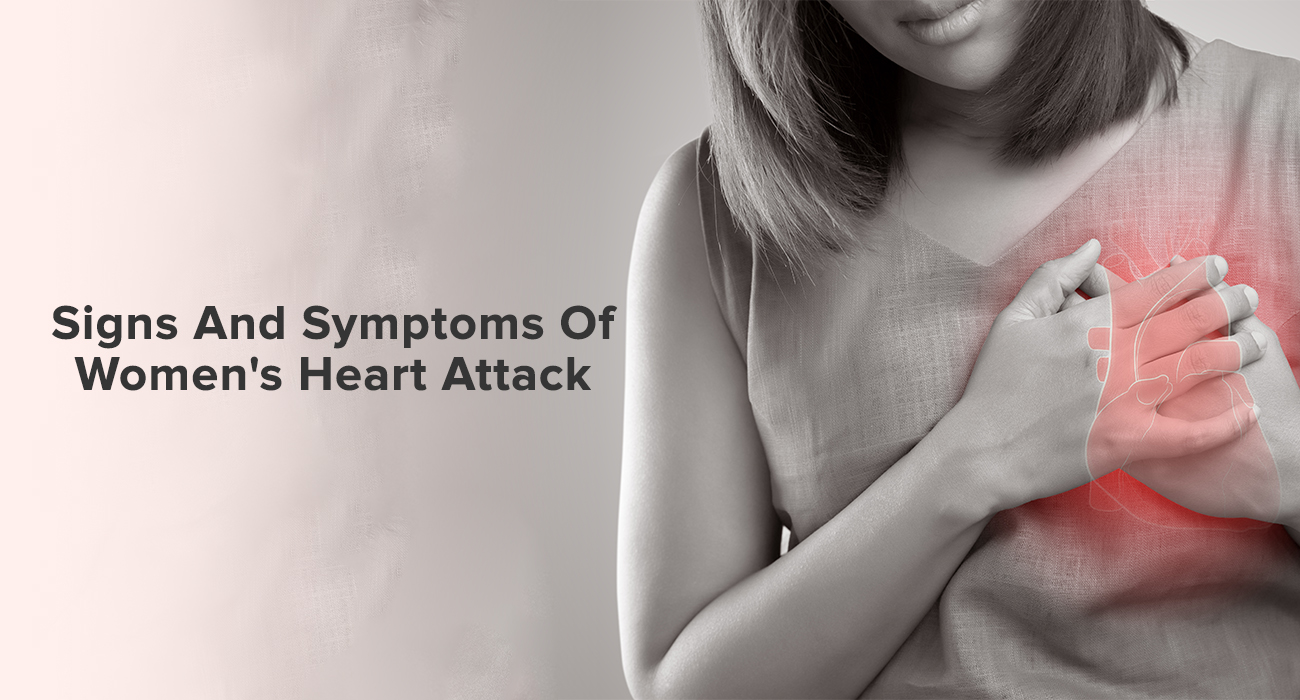
Women often experience fatigue before a heart attack.
Rapid or Irregular Heartbeat
A healthy heart beats in a regular rhythm.
Warning signs include:
- Racing heartbeat
- Fluttering sensation
- Skipped beats
- Heart pounding unexpectedly
Occasional palpitations are common, but frequent episodes should be evaluated by a healthcare provider.
Dizziness or Fainting
Reduced blood flow can affect the brain.
Symptoms include:
- Feeling lightheaded
- Sudden dizziness
- Passing out
- Difficulty maintaining balance
These symptoms should never be ignored.
Swelling in the Legs, Ankles, or Feet
Heart failure may cause fluid buildup in the body.
Common signs include:
- Swollen ankles
- Puffy feet
- Leg swelling
- Shoes becoming tighter
Persistent swelling should always be discussed with a healthcare professional.
Persistent Cough
A chronic cough that produces white or pink mucus may indicate heart failure.
Although coughs often result from infections or allergies, a long-lasting cough deserves medical evaluation.
Excessive Sweating
Cold sweats without exercise or hot weather may signal reduced blood flow to the heart.
This symptom becomes especially concerning when combined with chest pain or nausea.
Nausea and Indigestion
Heart problems sometimes mimic digestive issues.
Symptoms may include:
- Upset stomach
- Nausea
- Vomiting
- Heartburn
- Indigestion
Women experience these symptoms more frequently during heart attacks.
Pain Beyond the Chest
Heart disease pain does not always remain in the chest.
It may spread to:
- Neck
- Jaw
- Upper back
- Shoulder
- Both arms
Ignoring these symptoms can delay life-saving treatment.
Risk Factors for Heart Disease
Several factors increase the likelihood of developing heart disease.
Lifestyle Risk Factors
- Smoking
- Physical inactivity
- Poor diet
- Excessive alcohol intake
- Chronic stress
- Obesity
Medical Risk Factors
- High blood pressure
- High cholesterol
- Diabetes
- Kidney disease
- Sleep apnea
Family History
People with close relatives who developed heart disease at an early age may have a higher risk.
Symptoms That Require Emergency Care
Call emergency medical services immediately if you experience:
- Severe chest pain
- Pain spreading to the jaw or arm
- Difficulty breathing
- Sudden collapse
- Loss of consciousness
- Cold sweating with chest pressure
Quick treatment greatly improves survival.
How Doctors Diagnose Heart Disease
Diagnosis usually begins with a physical examination and medical history.
Common tests include:
- Electrocardiogram (ECG)
- Echocardiogram
- Stress test
- Blood tests
- Chest X-ray
- CT scan
- Coronary angiography
- Cardiac MRI
These tests help determine the exact cause of symptoms.
Treatment Options
Treatment depends on the type and severity of heart disease.
Lifestyle Changes
- Quit smoking
- Eat more fruits and vegetables
- Reduce salt intake
- Exercise regularly
- Maintain a healthy weight
- Control stress
- Sleep 7–9 hours
Medications
Doctors may prescribe:
- Blood pressure medications
- Cholesterol-lowering drugs
- Blood thinners
- Beta blockers
- Diuretics
Always take medications exactly as prescribed.
Medical Procedures
Some patients require:
- Angioplasty
- Stent placement
- Pacemaker
- Heart valve repair
- Coronary bypass surgery
How to Protect Your Heart
Healthy habits reduce your risk significantly.
Eat a Heart-Healthy Diet
Choose:
- Whole grains
- Fresh vegetables
- Fruits
- Lean protein
- Fish
- Nuts
- Olive oil
Limit:
- Sugary drinks
- Fried foods
- Processed meat
- Excess salt
Stay Active
Aim for at least 150 minutes of moderate exercise each week.
Good options include:
- Walking
- Swimming
- Cycling
- Dancing
Maintain Healthy Blood Pressure
Regular blood pressure checks help detect problems before symptoms develop.
Manage Stress
Helpful techniques include:
- Meditation
- Yoga
- Deep breathing
- Spending time outdoors
- Quality sleep
Avoid Smoking
Smoking damages blood vessels and significantly increases heart disease risk.
When Should You See a Doctor?
Schedule a medical evaluation if you notice:
- Frequent chest discomfort
- Ongoing fatigue
- Irregular heartbeat
- Swelling in the legs
- Persistent shortness of breath
- Dizziness
Early diagnosis often prevents serious complications.
Frequently Asked Questions
Can heart disease occur without chest pain?
Yes. Many people, especially women and older adults, experience symptoms such as fatigue, nausea, or shortness of breath instead of chest pain.
Is heart disease preventable?
Many cases can be prevented through healthy eating, regular exercise, avoiding smoking, controlling blood pressure, and managing cholesterol levels.
Who is most at risk?
People with diabetes, high blood pressure, obesity, high cholesterol, smokers, and those with a family history of heart disease are at greater risk.
How often should adults have heart checkups?
Adults should have regular health checkups, especially after age 40 or earlier if they have risk factors for heart disease.
Can exercise reduce heart disease risk?
Yes. Regular physical activity strengthens the heart, improves circulation, lowers blood pressure, and helps maintain a healthy weight.
Conclusion
Heart disease often develops gradually, making early recognition of symptoms essential. Chest pain, shortness of breath, unusual fatigue, dizziness, swelling, and irregular heartbeat should never be ignored. Seeking timely medical care can prevent serious complications and improve long-term health.
A heart-healthy lifestyle that includes balanced nutrition, regular exercise, stress management, and routine medical checkups remains one of the most effective ways to protect your heart. Paying attention to early warning signs today can make a significant difference in your health and quality of life for years to come.