

Introduction
An ingrown toenail is a common foot problem that can affect people of all ages. It happens when the edge of a toenail grows into the surrounding skin instead of growing straight out. This often causes pain, swelling, redness, and sometimes infection. Although it may seem like a small issue, an untreated ingrown toenail can become very painful and lead to serious complications, especially for people with diabetes or poor blood circulation.
- Introduction
- Soak Your Foot
- Keep the Toe Clean
- Lift the Nail Carefully
- Apply Antibiotic Ointment
- Wear Comfortable Footwear
- Take Pain Relief If Needed
- Partial Nail Removal
- Complete Nail Removal
- Permanent Nail Treatment
- Antibiotics
- Trim Nails Correctly
- Wear Proper Shoes
- Keep Feet Clean
- Protect Your Feet
- Check Your Feet Regularly
- Myth 1: Only Adults Get Ingrown Toenails
- Myth 2: Cutting the Nail Very Short Prevents Problems
- Myth 3: Surgery Is Always Necessary
- Myth 4: You Should Ignore the Pain
- 1. What is the fastest way to treat an ingrown toenail?
- 2. Can I cut out an ingrown toenail myself?
- 3. How long does an ingrown toenail take to heal?
- 4. Why do ingrown toenails keep coming back?
- 5. Is an ingrown toenail dangerous?
The good news is that ingrown toenail treatment is usually simple when the condition is caught early. Many mild cases can be treated at home with proper care, while severe cases may require professional medical treatment. In this guide, you will learn what causes ingrown toenails, how to treat them, ways to prevent them, and when to visit a doctor.
What Is an Ingrown Toenail?
An ingrown toenail develops when the corner or side of the nail grows into the skin beside it. This problem most commonly affects the big toe, but it can happen on any toe.
As the nail presses into the skin, the area becomes irritated. Over time, bacteria can enter the broken skin, leading to infection if the problem is not treated.
Common Causes of Ingrown Toenails
Several factors can increase your risk of developing an ingrown toenail.
Cutting Toenails Incorrectly
One of the biggest causes is trimming toenails too short or rounding the corners. Nails should always be cut straight across.
Wearing Tight Shoes
Shoes that squeeze your toes put constant pressure on the nails. High heels and narrow shoes often increase the risk.
Foot Injuries
Dropping something heavy on your toe or repeated pressure from sports like soccer, football, or running can damage the nail.
Naturally Curved Nails
Some people inherit nails that naturally curve into the skin, making ingrown toenails more likely.
Poor Foot Hygiene
Dirty or sweaty feet can increase the chance of infection when the skin becomes irritated.
Symptoms of an Ingrown Toenail
Recognizing the symptoms early makes treatment easier.
Common symptoms include:
- Pain along one side of the toenail
- Swelling around the nail
- Redness and tenderness
- Warm skin near the affected area
- Pus or drainage if infection develops
- Difficulty wearing shoes due to discomfort
If left untreated, the pain usually becomes worse over time.
Home Ingrown Toenail Treatment
Many mild ingrown toenails improve with simple home care.
Soak Your Foot
Soak your foot in warm water for 15 to 20 minutes three or four times each day. Warm water softens the skin and reduces swelling.
Adding Epsom salt may help soothe the area, although plain warm water also works well.
Keep the Toe Clean
Wash the toe gently with mild soap and water every day. Dry it completely after washing.
Clean skin lowers the risk of infection.
Lift the Nail Carefully
If the nail has only slightly entered the skin, you may gently lift the corner using a small piece of clean cotton or dental floss.
This helps guide the nail to grow above the skin instead of into it.
Never force the nail if it causes severe pain.
Apply Antibiotic Ointment
A small amount of antibiotic cream can reduce the chance of infection.
Cover the toe with a clean bandage and replace it daily.
Wear Comfortable Footwear
Choose shoes with a wide toe box or wear open-toe sandals whenever possible.
Reducing pressure allows the toe to heal faster.
Take Pain Relief If Needed
Over-the-counter pain relievers may reduce discomfort and swelling.
Always follow the instructions on the medicine label.
Medical Ingrown Toenail Treatment
If home care does not improve your condition after several days, you should see a healthcare provider.
Medical treatment depends on how serious the problem has become.
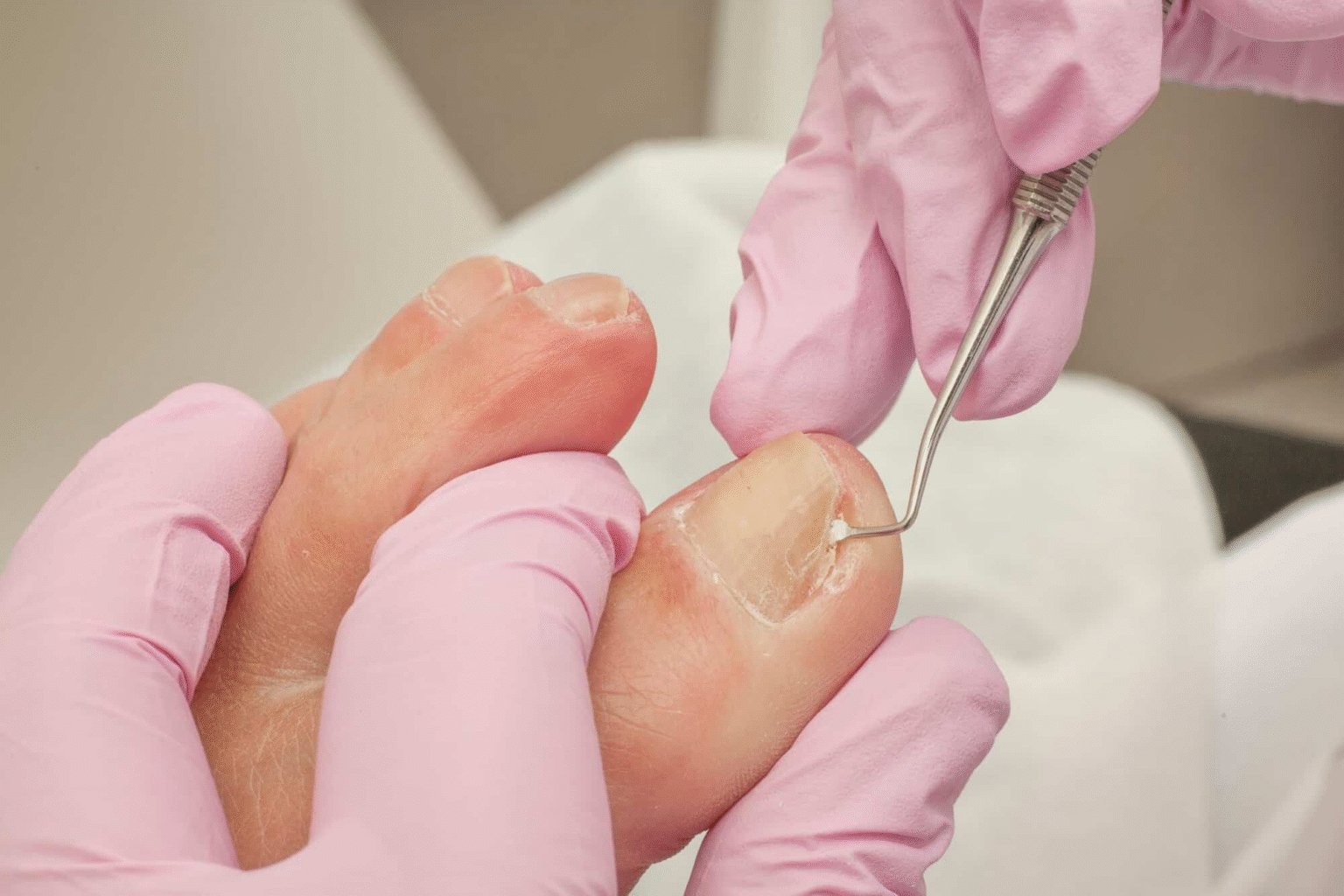
Partial Nail Removal
The doctor removes only the part of the nail growing into the skin.
Local anesthesia is used so the procedure is usually not painful.
Most people recover within a few weeks.
Complete Nail Removal
In severe or recurring cases, the doctor may remove the entire toenail.
Although this sounds frightening, the nail usually grows back over several months.
Permanent Nail Treatment
If ingrown toenails keep returning, part of the nail root can be destroyed using a chemical or laser treatment.
This prevents that section of the nail from growing again and greatly reduces future problems.
Antibiotics
If the toe is infected, your doctor may prescribe antibiotics to eliminate the infection.
It is important to complete the full course exactly as directed.
Recovery Tips
Proper aftercare helps your toe heal quickly.
- Change dressings regularly.
- Keep the area clean and dry.
- Avoid tight shoes.
- Limit strenuous activities for a few days.
- Follow your doctor’s instructions carefully.
Most people return to normal activities within a week or two after treatment.
How to Prevent Ingrown Toenails
Prevention is much easier than treatment.
Follow these simple habits:
Trim Nails Correctly
Always cut toenails straight across.
Avoid cutting the corners too deeply.
Wear Proper Shoes
Choose shoes that fit well and leave enough room for your toes.
Avoid shoes that constantly press against your toenails.
Keep Feet Clean
Wash your feet every day and dry them completely.
Clean feet stay healthier and are less likely to become infected.
Protect Your Feet
Wear protective footwear during sports or heavy work to avoid toe injuries.
Check Your Feet Regularly
People with diabetes should inspect their feet every day for cuts, redness, swelling, or nail problems.
When Should You See a Doctor?
Although many ingrown toenails heal at home, some situations require medical attention.
Visit a healthcare provider if:
- Pain becomes severe.
- There is pus or bad-smelling drainage.
- Redness spreads beyond the toe.
- You have diabetes.
- You have poor blood circulation.
- Home treatment has not helped after several days.
- You develop a fever.
Prompt treatment prevents more serious complications.
Can an Ingrown Toenail Heal by Itself?
Very mild cases may improve if pressure on the toe is removed early.
However, once the nail has deeply entered the skin, it usually requires treatment.
Ignoring the problem often leads to infection and increased pain.
Common Myths About Ingrown Toenails
Many people believe false information about ingrown toenails.
Myth 1: Only Adults Get Ingrown Toenails
False. Teenagers and children can also develop them.
Myth 2: Cutting the Nail Very Short Prevents Problems
Actually, cutting nails too short is one of the main causes.
Myth 3: Surgery Is Always Necessary
Most mild cases improve with proper home treatment.
Myth 4: You Should Ignore the Pain
Pain is a warning sign that should not be ignored.
Early treatment is easier and less painful.
Conclusion
Ingrown toenails are a common problem, but they are usually easy to treat when caught early. Simple home care such as soaking the foot, keeping the area clean, wearing comfortable shoes, and trimming nails properly can help many mild cases heal without complications. However, if the pain becomes severe, signs of infection appear, or the condition keeps returning, professional medical treatment is the safest option.
Taking care of your feet and practicing good nail care can greatly reduce the chances of developing another ingrown toenail. By acting quickly and following healthy foot care habits, you can keep your feet comfortable, healthy, and pain-free.
Frequently Asked Questions (FAQs)
1. What is the fastest way to treat an ingrown toenail?
The fastest treatment for a mild ingrown toenail is soaking the foot in warm water several times a day, keeping the area clean, applying antibiotic ointment if needed, and wearing comfortable shoes. Severe cases should be treated by a doctor.
2. Can I cut out an ingrown toenail myself?
No. Trying to remove an ingrown toenail at home can make the injury worse and increase the risk of infection. If the nail is deeply embedded, seek professional medical care.
3. How long does an ingrown toenail take to heal?
Mild cases often improve within one to two weeks with proper care. If a doctor removes part of the nail, complete healing usually takes two to four weeks.
4. Why do ingrown toenails keep coming back?
Recurring ingrown toenails are often caused by improper nail trimming, tight shoes, naturally curved nails, repeated toe injuries, or inherited nail shape. Changing these habits can reduce the risk.
5. Is an ingrown toenail dangerous?
Most ingrown toenails are not dangerous when treated early. However, untreated infections can become serious, especially for people with diabetes, poor circulation, or weakened immune systems.